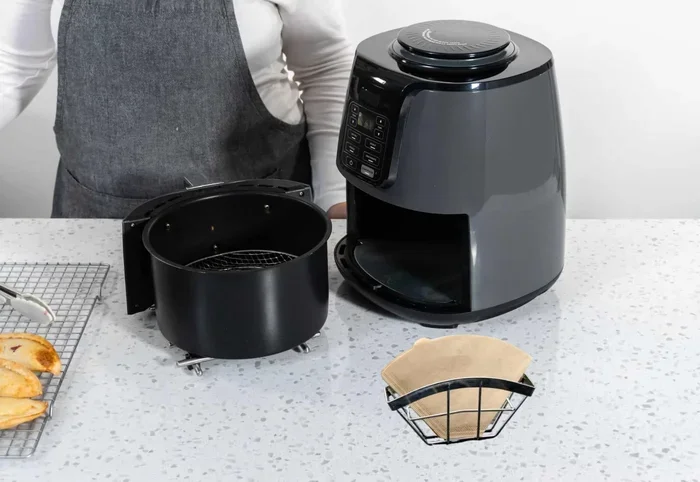
Featured image for coffee filter air fryer basket
Image source: foodsguy.com
Yes, you can use a coffee filter in an air fryer, but with important safety considerations. Plain, unbleached coffee filters can work for light foods like reheating items or cooking delicate ingredients at lower temperatures. However, they can fly around, block airflow, or even catch fire at high heat. For most air frying tasks, parchment paper with holes or silicone liners are safer and more reliable choices.
Picture this: you’re ready to air fry some delicious snacks, but you realize you’re out of parchment paper. You glance at the kitchen counter and spot a pack of coffee filters. The thought crosses your mind, “Can I just use one of these instead?” You’re definitely not alone in wondering this. Thousands of home cooks ask the same question every month.
The good news is that coffee filters can work in an air fryer under certain conditions. But like most kitchen hacks, it’s not as simple as tossing one in and pressing start. There are real safety concerns, performance issues, and better alternatives you should know about. Think of it like wearing flip-flops to hike a mountain. Sure, you can do it, but should you?
In this guide, we’ll break down everything you need to know about using coffee filters in your air fryer. You’ll learn when it works, when it doesn’t, and what to use instead for the best results. Let’s dive in.
Key Takeaways
- Coffee Filters Can Work for Specific Tasks: They’re best for low-heat cooking (under 400°F) and light foods like reheating pizza or warming bread.
- Safety Is the Biggest Concern: Loose filters can fly into the heating element, potentially causing fires or smoke.
- Bleached Filters May Release Chemicals: Unbleached, natural filters are safer than bleached white ones when exposed to heat.
- Airflow Is Critical: Coffee filters can block the air circulation that makes air fryers work properly, leading to soggy food.
- Better Alternatives Exist: Perforated parchment paper, silicone mats, and metal baskets are designed specifically for air fryers.
- Weighting the Filter Matters: If you use one, place food on top to keep it from blowing around inside the basket.
- Never Use Filters with Sweet or Greasy Foods: Sugar and oil can cause filters to burn or stick, creating a mess or fire hazard.
📑 Table of Contents
- What Exactly Is a Coffee Filter?
- How Does an Air Fryer Actually Work?
- Can You Actually Use a Coffee Filter in an Air Fryer?
- What Are the Risks of Using Coffee Filters?
- Better Alternatives to Coffee Filters
- How to Use a Coffee Filter Safely (If You Really Want To)
- Frequently Asked Questions About Coffee Filters in Air Fryers
- Final Verdict: Should You Use a Coffee Filter in Your Air Fryer?
What Exactly Is a Coffee Filter?
Before we talk about putting coffee filters in an air fryer, let’s understand what they actually are. A coffee filter is a simple paper product designed to let water pass through while catching coffee grounds. Most are made from either paper or cloth materials.
The Two Main Types of Coffee Filters
There are two basic types you’ll find in most kitchens:
- Bleached filters: These are the white ones. They’re treated with chemicals to achieve that bright white color. The bleaching process makes them look cleaner but involves substances like chlorine or oxygen bleach.
- Unbleached filters: These have a natural brown color. They go through less processing, which makes them slightly more eco-friendly and potentially safer for high-heat applications.
Both types are designed to handle hot water, which is typically around 195-205°F. That’s important to remember because air fryers can reach temperatures of 400°F or higher. The question is: can these filters handle that much heat?
What Coffee Filters Are Made Of
Most paper coffee filters are made from wood pulp or other plant-based fibers. They’re essentially very thin paper with tiny pores that allow liquid to flow through. The typical coffee filter weighs almost nothing and is designed for single-use.
Did you know that Americans drink about 400 million cups of coffee per day? That’s a lot of filters! But none of those filters were designed to handle the intense, dry heat of an air fryer.
How Does an Air Fryer Actually Work?
Understanding how an air fryer works helps explain why coffee filters can be tricky to use. An air fryer isn’t really “frying” anything. It’s a small convection oven that uses a powerful fan to circulate very hot air around your food.
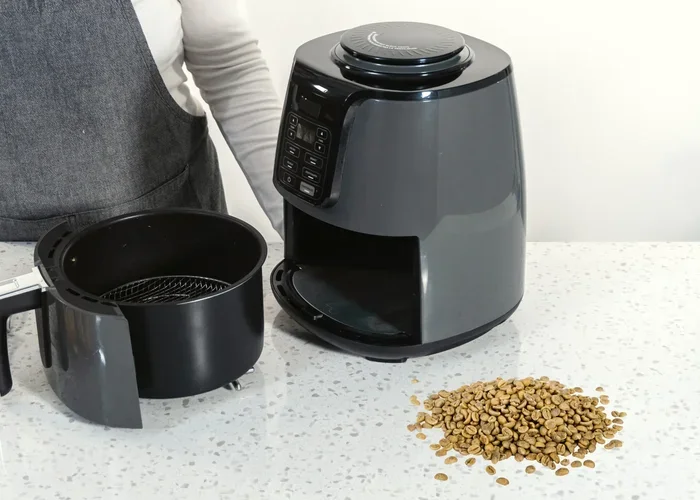
Visual guide about coffee filter air fryer basket
Image source: crazycoffeebean.com
The Hot Air Circulation System
An air fryer has a heating element at the top and a fan that pushes the hot air around the food. This creates a tornado-like effect of super-heated air that cooks your food quickly and creates that crispy texture we all love. The hot air needs to flow freely around your food to work properly.
Think of it like a hair dryer on turbo mode. When something blocks the airflow, the machine has to work harder and doesn’t perform as well. The same principle applies to air fryers. Anything that restricts air circulation affects cooking performance.
Why This Matters for Coffee Filters
Coffee filters are extremely lightweight. When that powerful fan kicks on, a loose filter can easily fly around inside the basket. It might get sucked up toward the heating element, which is a serious fire hazard. Even if it doesn’t catch fire, it can melt onto the heating element and create a nasty mess.
Air fryers typically operate between 300-400°F, with some models going even higher. Paper has an ignition point of around 451°F (yes, that’s where the famous book title comes from). So while coffee filters don’t immediately burst into flames, they can scorch, smoke, or catch fire at air fryer temperatures.
Can You Actually Use a Coffee Filter in an Air Fryer?
The short answer is yes, but with several important caveats. Let’s look at when it’s okay and when you should avoid it.
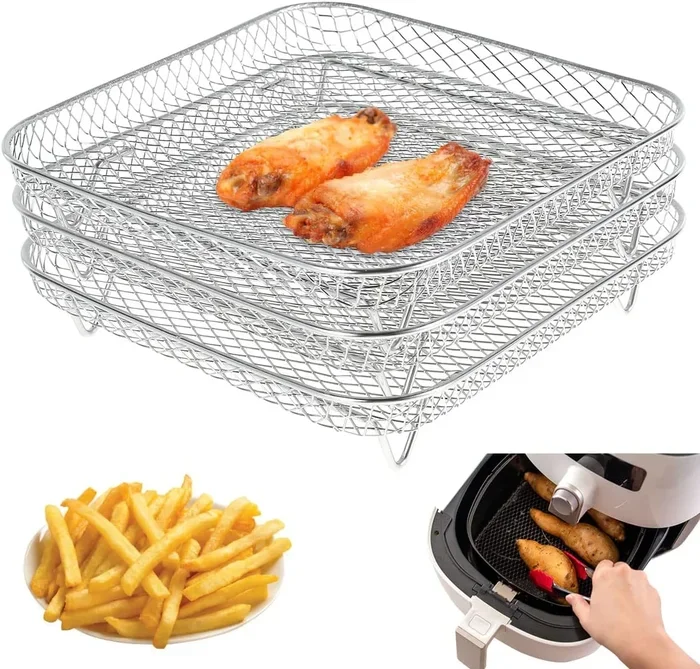
Visual guide about coffee filter air fryer basket
Image source: m.media-amazon.com
When Coffee Filters Can Work
Coffee filters can work in these specific situations:
- Low-temperature cooking: If you’re reheating food at temperatures below 300°F, a coffee filter can work fine.
- Lightweight foods: Items that won’t stick to the basket, like reheated bread or small pastries.
- As a splatter screen: Some people use them to prevent cheese or sauce from dripping in easy-to-clean situations.
- Steaming vegetables: If you’re using your air fryer for low-heat steaming, a filter can help with moisture management.
When You Should Avoid Coffee Filters
Skip the coffee filter in these scenarios:
- High-temperature cooking (over 350°F): The risk of burning or fire increases significantly.
- Greasy or oily foods: Oil-soaked paper can smoke or ignite.
- Sugary foods: Sugar caramelizes at high heat and can cause the filter to burn quickly.
- Anything that requires lots of air circulation: French fries, chicken wings, and other crispy foods need airflow to crisp up properly.
A good rule of thumb: if your air fryer recipe calls for temperatures above 350°F, skip the coffee filter. The risk simply isn’t worth it.
Real-World Examples
Let’s say you want to reheat a slice of pizza in your air fryer. That’s a low-temperature job (around 325°F for 4-5 minutes). A coffee filter underneath could work here. It would prevent cheese from sticking to the basket.
Now imagine you’re making crispy chicken wings at 400°F for 25 minutes. Using a coffee filter here is a terrible idea. The chicken releases fat, the temperature is high, and you need maximum airflow. The filter would likely burn, smoke, or fly into the heating element.
What Are the Risks of Using Coffee Filters?
Using coffee filters in an air fryer comes with several risks you should take seriously.
Fire Hazard
The biggest concern is fire. Paper products and high heat are a dangerous combination. Even if your coffee filter doesn’t burst into flames, it can scorch and smoke. Smoke inhalation in a kitchen is a health hazard, and the smell is incredibly unpleasant. In the worst case, a filter flying into the heating element can ignite, potentially causing a kitchen fire.
Chemical Exposure from Bleached Filters
Bleached coffee filters contain trace amounts of chemicals from the bleaching process. When exposed to high heat, these chemicals can potentially release into your food. While the amounts are small, it’s not something you want in your meals regularly. This is why unbleached filters are always the better choice if you’re going to use one.
Poor Cooking Results
Coffee filters can absorb moisture and oil from your food. This means your food might end up drier than intended. They also block the air circulation that makes air fryers work so well. The result is often food that’s soggy instead of crispy, which defeats the whole purpose of using an air fryer.
Damage to Your Air Fryer
If a coffee filter flies into the heating element and melts or burns, cleaning your air fryer becomes a nightmare. The residue from burned paper can be difficult to remove and might even damage the non-stick coating on your basket. Repair or replacement costs far outweigh the savings from using a free coffee filter.
Did You Know?
According to the National Fire Protection Association, cooking equipment is the leading cause of home fires, responsible for about 49% of all home fires. While most are from stoves, any cooking appliance with heating elements requires caution. Adding loose paper products to the mix increases the risk unnecessarily.
Better Alternatives to Coffee Filters
Now for the good news: there are plenty of alternatives that work better and safer than coffee filters. Let’s explore your options.
Perforated Parchment Paper
This is the gold standard for air fryer liners. Perforated parchment paper is specifically designed with holes that allow air to circulate. It’s heat-resistant up to about 425°F, which covers most air fryer temperatures. You can buy pre-cut parchment liners or punch your own holes with a hole punch.
The benefits are clear:
- Heat-resistant and safe
- Allows proper airflow
- Prevents sticking
- Easy cleanup
- Available in pre-cut sizes for popular air fryer models
Silicone Liners and Mats
Silicone air fryer liners are reusable, which makes them eco-friendly and cost-effective. They’re heat-resistant up to 480°F or higher and can be used hundreds of times. Silicone mats with perforations are perfect for foods that need airflow, while solid silicone works great for foods that might drip.
Think of silicone liners as the “buy once, cry once” option. You spend a bit more upfront, but they last for years.
Metal Baskets and Grills
Many air fryers come with additional accessories like metal racks or grill pans. These are designed to elevate food for better airflow. They’re the safest option because they’re made from materials specifically engineered for high-heat cooking.
Aluminum Foil (Used Carefully)
Aluminum foil can work in an air fryer if you use it correctly. The key is leaving enough space for air to circulate. Never cover the entire bottom of the basket, and always weight the foil down with food. Foil is great for cooking delicate items like fish fillets, where you want to prevent them from falling apart.
The DIY Parchment Solution
If you’re out of parchment paper but have coffee filters, you can actually make your own perforated liner. Take a coffee filter and punch several holes in it with a regular hole punch. This creates airflow while still giving you a non-stick surface. It’s a quick fix that works better than an unperforated filter.
How to Use a Coffee Filter Safely (If You Really Want To)
Sometimes you’re in a pinch and don’t have alternatives available. If you decide to use a coffee filter, here’s how to minimize the risks.
Step-by-Step Safe Usage
Step 1: Choose the right filter. Always use unbleached, natural brown filters. Avoid the white bleached ones for heat applications.
Step 2: Keep temperatures low. Never exceed 300°F if you’re using a coffee filter. This is well below the ignition point and reduces most risks.
Step 3: Weight it down completely. Place food on top of the filter so it can’t fly around. The filter should be entirely covered by your ingredients.
Step 4: Avoid oils and sugars. Don’t use coffee filters with greasy or sugary foods. The combination of fat, sugar, and high heat is asking for trouble.
Step 5: Watch your air fryer. Never leave your air fryer unattended when using a paper liner. Stay in the kitchen and check on your food regularly.
Step 6: Don’t reuse filters. Each filter is designed for single-use. Reusing them increases the risk of tearing and flying around.
Foods That Work with Coffee Filters
Here are some specific foods where a coffee filter might work as a quick substitute:
- Reheating pizza or bread
- Warming tortillas or wraps
- Cooking small, delicate fish at low heat
- Reheating small pastries
- Light steaming of vegetables at lower temperatures
Foods to Avoid with Coffee Filters
Stay away from using coffee filters with these items:
- Bacon or other high-fat meats
- Sugar-coated pastries or donuts
- Anything deep-fried or heavily breaded
- Foods cooked above 350°F
- Recipes requiring long cook times (over 15 minutes)
Frequently Asked Questions About Coffee Filters in Air Fryers
Let’s address some common questions home cooks have about this topic.
Will a coffee filter catch fire in my air fryer?
Yes, it can. Paper ignites at around 451°F, and air fryers can reach temperatures of 400°F or more. While coffee filters don’t always catch fire at typical air fryer temperatures, they can scorch, smoke, or ignite under certain conditions, especially if they fly into the heating element.
Are bleached or unbleached coffee filters safer for air fryers?
Unbleached filters are safer for high-heat applications. Bleached filters may contain trace chemicals from the bleaching process that could release when heated. If you must use a coffee filter in an air fryer, choose unbleached ones every time.
Can I use a coffee filter to prevent sticking?
Yes, but there are better options. Perforated parchment paper or silicone liners are specifically designed for this purpose and work much better. They handle higher temperatures and allow proper airflow.
Do coffee filters affect cooking time?
Yes, they can. Because coffee filters can block airflow and absorb moisture, your food may take longer to cook and might not get as crispy as it would without the filter. This is another reason why perforated alternatives are better.
Can I use a reusable cloth coffee filter in my air fryer?
No. Cloth coffee filters can also fly around in an air fryer, and they may not handle the direct dry heat well. Stick to materials designed for high-heat cooking, like silicone or metal.
What if I don’t have any parchment paper or silicone liners?
If you don’t have proper air fryer liners, it’s safer to cook directly in the basket with a light coating of oil. You can also lightly spray the basket with cooking spray. Just be prepared for a bit more cleanup afterward.
Final Verdict: Should You Use a Coffee Filter in Your Air Fryer?
Here’s the bottom line: coffee filters can work in an air fryer, but they’re not the best choice for most situations. They’re a decent backup option for low-temperature tasks like reheating, but they come with real risks including fire hazards, poor airflow, and potential chemical exposure.
If you’re in a pinch and need a quick solution, go ahead and use an unbleached coffee filter at temperatures below 300°F, with food weighing it down completely. Just stay nearby and keep an eye on things.
For regular air frying, invest in proper perforated parchment paper or silicone liners. They’re affordable, widely available, and specifically designed for the job. You’ll get better cooking results, easier cleanup, and peace of mind knowing you’re using a safe product.
Think of it this way: your air fryer is a fantastic kitchen tool that makes cooking easier and healthier. Adding a coffee filter to the mix is like putting cheap gas in a sports car. Sure, it might run, but you’re not getting the performance you paid for, and you might cause damage in the long run.
Save the coffee filters for your morning cup of joe, and treat your air fryer to the proper accessories it deserves. Your taste buds, your appliance, and your kitchen safety will all thank you.