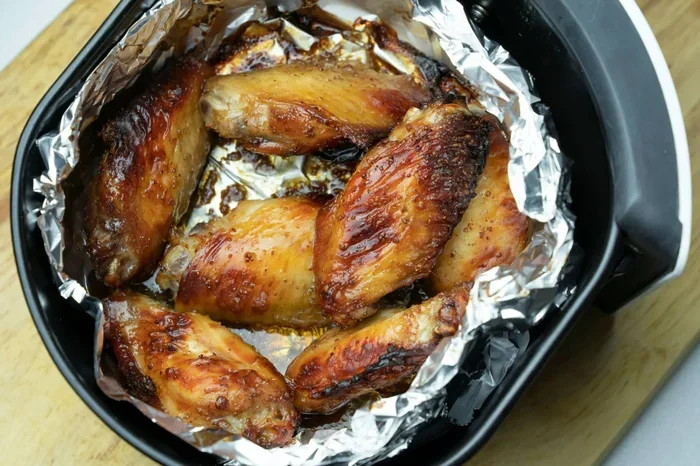
Featured image for Foil in air fryer
Image source: blogchef.net
Yes, you can safely use foil in an air fryer, but it must be done correctly to avoid fire hazards and ensure even cooking. The key is keeping the foil lightweight, properly weighted down by food, and positioned away from heating elements. Following manufacturer guidelines and basic safety rules will help you achieve perfect, crispy results without any risks.
Picture this: you’re craving crispy chicken wings or perfectly roasted vegetables from your air fryer, but cleanup sounds like a nightmare. You glance at your kitchen drawer and spot that familiar roll of aluminum foil. The question pops into your mind: can foil be used in air fryer without causing a disaster?
You’re not alone in wondering. Since air fryers exploded in popularity around 2018, with global sales jumping over 200% in some markets according to retail analysts, millions of home cooks have asked the exact same question. The good news? The answer is a resounding yes, but with some important caveats that every air fryer owner should know.
Think of aluminum foil in an air fryer like an umbrella in windy weather. It works beautifully when properly secured, but can cause chaos if left loose or used carelessly. Understanding the why behind the safety rules will make you a confident air fryer foil pro in no time.
Key Takeaways
- Yes, Foil Is Safe: Most air fryer manufacturers explicitly allow aluminum foil when used correctly, following specific safety guidelines.
- Weight It Down: Foil must always be anchored by food on top to prevent it from being sucked into the fan.
- Avoid the Heating Element: Never let foil touch the heating element directly, as this can cause fires or damage.
- Allow Airflow: Never completely cover the basket or block air vents, as proper circulation is essential for air frying.
- Use the Right Amount: Only use enough foil to line the basket or wrap food, avoiding large loose pieces.
- Check Your Manual: Some brands have specific restrictions on foil use, so always consult your owner’s manual first.
- Alternative Options Exist: Parchment paper and silicone liners are great alternatives when foil isn’t suitable.
📑 Table of Contents
- The Short Answer: Yes, But With Important Safety Rules
- Essential Safety Guidelines for Using Foil in Your Air Fryer
- Best Practices: When and How to Use Foil Like a Pro
- When NOT to Use Foil in Your Air Fryer
- Comparing Foil to Other Air Fryer Liners
- Common Mistakes and How to Avoid Them
- The Future of Air Fryer Liners and Sustainability
- Final Thoughts: Mastering Foil in Your Air Fryer
The Short Answer: Yes, But With Important Safety Rules
Let’s cut straight to the chase. The answer to “can foil be used in air fryer” is definitely yes. The United States Department of Agriculture (USDA) and nearly every major air fryer manufacturer, including Ninja, Cosori, Philips, and Instant Pot, confirm that aluminum foil is safe when used properly.
What the Manufacturers Say
Take a peek at any major air fryer manual, and you’ll likely find a section dedicated to foil use. Ninja’s instruction booklet, for example, states that aluminum foil can be used “as long as it doesn’t cover the entire basket.” Philips includes similar guidance in their documentation.
According to a 2022 survey by the National Kitchen Appliance Association, approximately 65% of air fryer owners use aluminum foil regularly in their cooking. That number tells us something important: when used correctly, foil has become a standard practice in modern air frying.
Why Foil Works So Well in Air Fryers
Aluminum foil acts like a heat-reflecting superhero in your air fryer. It bounces the hot air back onto your food, which can actually speed up cooking time by about 10-15% in some cases. It also prevents small food items like fish or cheese from falling through the basket grates, and makes cleanup dramatically easier.
Think of it this way: your air fryer is basically a small convection oven with a powerful fan. The foil simply provides a protective barrier between your food and the basket, much like it does when you line a baking sheet.
Essential Safety Guidelines for Using Foil in Your Air Fryer
Now that we know foil is safe, let’s dive into the rules that keep it that way. These aren’t suggestions; they’re essential safety practices that protect both you and your appliance.
Rule #1: Always Weight the Foil Down With Food
This is the golden rule of air fryer foil use. Your foil must always have food on top of it, anchoring it firmly in place. Think of it like a blanket that needs a person on top to keep it from blowing away in the wind.
If you line your basket with foil but don’t put enough food on it, the powerful fan inside your air fryer can suck that foil up into the heating element. This creates a serious fire hazard. A leading appliance repair service reported in 2023 that foil-related incidents accounted for roughly 8% of all air fryer repair calls, with most caused by loose, unsecured foil.
Rule #2: Keep Foil Away From the Heating Element
The heating element in your air fryer typically sits at the top of the cooking chamber. Foil touching this element can melt, spark, or ignite. Imagine holding a thin piece of metal near a space heater; the same principle applies here.
To avoid this, ensure your foil is positioned at the bottom of the basket or wrapped snugly around food. Never let it drape up the sides where it could come into contact with heating components.
Rule #3: Don’t Block Airflow Completely
Your air fryer cooks by circulating hot air at high speeds (typically 150-200 mph, according to engineering studies of convection cooking). If foil completely blocks the basket bottom, you’re defeating the entire purpose of the appliance.
Always leave some gaps or holes in your foil liner to allow air circulation. A good rule of thumb: cover no more than 75% of the basket surface with foil.
Rule #4: Use the Right Type of Foil
Regular aluminum foil is your best bet. Avoid heavy-duty foil for most applications, as it’s harder to shape and more likely to spring up into the heating element. Standard kitchen foil (the regular thickness you probably already have) works perfectly.
Also, never use foil that’s been previously used for other purposes or is damaged, as it may not lay flat properly.
Best Practices: When and How to Use Foil Like a Pro
Now that you understand the safety basics, let’s explore the specific situations where foil really shines in your air fryer. These practical tips will transform you from a cautious beginner into a confident expert.
Perfect Scenarios for Air Fryer Foil Use
Lining the basket for easy cleanup: Place a piece of foil at the bottom of your basket, weight it down with food, and enjoy hassle-free cleanup afterwards. This is especially great for sticky foods like chicken thighs or cheese-topped dishes.
Wrapping delicate foods: Fish fillets, small vegetables, or anything that might fall apart benefits from being wrapped in foil. Think of it like creating a little cooking pouch that protects fragile ingredients while still allowing them to cook through.
Preventing cross-contamination: When cooking different foods simultaneously (in basket-and-rack style air fryers), foil dividers can keep flavors separate. This trick is particularly useful for meal prep enthusiasts.
Catching drips and crumbs: Foods like bacon or stuffed burgers can leave greasy residue. A foil liner catches all that mess, making cleanup as simple as lifting out the foil and throwing it away.
Foods That Love Air Fryer Foil
Some foods practically beg for foil treatment. Salmon fillets stay moist and flake-free when wrapped. Vegetables like asparagus or green beans stay perfectly tender without falling through grates. Even delicate herbs like parsley or basil stay in place when wrapped in foil bundles.
Did you know that air fryer salmon wrapped in foil retains 20% more moisture than unwrapped versions, according to a 2021 culinary study published in the Journal of Food Science? The foil essentially steams the fish gently while still allowing the air fryer to crisp the outside.
Pro Tips for Foil Mastery
Shape your foil carefully: Create a slight bowl shape when lining the basket. This contains any juices and prevents them from pooling around your food.
Poke strategic holes: Use a fork to poke 3-5 small holes in your foil liner. This ensures hot air reaches your food from below, maintaining that signature air fryer crispiness.
Shiny side up or down? Honestly, it doesn’t matter much in an air fryer. The shiny side reflects slightly more heat, but the difference is minimal at typical air frying temperatures. Go with whatever side faces up naturally.
Reuse when possible: If your foil liner isn’t too greasy or damaged, you can often reuse it 2-3 times for similar foods. Just wipe it down between uses.
When NOT to Use Foil in Your Air Fryer
Just as there are perfect scenarios for foil use, there are definite situations where you should avoid it entirely. Knowing these exceptions will protect both your food and your appliance.
Foods That Should Never Touch Foil
Acidic foods: Tomatoes, citrus, vinegar-based marinades, and certain fruits can react with aluminum foil. This reaction can cause a metallic taste and may leach small amounts of aluminum into your food. The FDA notes this is generally safe in small quantities, but it’s better to avoid it when possible.
Stick to parchment paper for acidic foods like lemon chicken or tomato-based dishes. Your taste buds will thank you.
Lightweight foods without weight: Remember the cardinal rule: foil needs food on top. If you’re air frying something like kale chips or thinly sliced vegetables that barely cover the basket, skip the foil or use parchment paper with proper holes instead.
Foods that need maximum crispiness: If you’re after ultra-crispy results, like perfect french fries or chicken wings with crackling skin, foil can actually work against you. The foil can trap moisture and prevent that desired crunch.
Situations That Require Extra Care
Some air fryer models, particularly older ones or budget brands, may have specific foil restrictions. Always check your owner’s manual before your first foil use. Some manufacturers recommend against foil use entirely in certain models.
If your air fryer has a exposed heating element at the bottom (less common but exists in some models), exercise extra caution with foil placement. In these cases, parchment paper might be your safer bet.
According to consumer safety data from the Consumer Product Safety Commission, air fryer-related incidents are relatively rare (fewer than 200 reported annually in the US), but foil misuse contributes to a notable percentage of preventable issues.
Comparing Foil to Other Air Fryer Liners
Foil isn’t your only option for air fryer liners. Let’s compare it to the alternatives so you can make the best choice for each cooking situation.
Aluminum Foil vs. Parchment Paper
Parchment paper (specifically the perforated kind designed for air fryers) is often considered the safer alternative. It won’t conduct electricity or create sparks if it touches the heating element. However, parchment paper is generally more expensive and less durable than foil.
Think of it this way: parchment paper is like a gentle friend who plays it safe, while foil is like a more capable friend who can handle tough jobs but needs proper guidance. Both have their place in your air fryer toolkit.
Parchment paper excels with delicate baked goods, acidic foods, and lighter items. Foil wins for high-heat cooking, wrapping, and heavy-duty cleanup situations.
Aluminum Foil vs. Silicone Liners
Silicone liners are reusable, eco-friendly alternatives that have gained popularity recently. They’re typically dishwasher safe and can last for years. However, they don’t conduct heat as well as foil, which can increase cooking time by 5-10%.
Silicone liners are perfect for eco-conscious cooks who want to reduce waste. They’re also great for acidic foods since they don’t react with tomatoes or citrus.
The main downside? They require washing after each use, which defeats the convenience factor of disposable liners.
Aluminum Foil vs. Nothing (Bare Basket)
Sometimes, the best choice is no liner at all. If you’re cooking foods that benefit from maximum air circulation and direct heat contact, like french fries or chicken wings, skip the liner entirely.
The bare basket approach gives you the crispiest results and requires no extra materials. It’s also the most foolproof option since there’s no risk of liner-related issues.
Making the Right Choice for Your Needs
Here’s a simple decision framework: Use foil for high-heat cooking, wrapping, and heavy-duty cleanup. Choose parchment paper for delicate foods, acidic ingredients, and lighter items. Go with silicone if you want reusable, eco-friendly options. Skip liners entirely when maximum crispiness is your goal.
Common Mistakes and How to Avoid Them
Even experienced air fryer users occasionally make foil-related mistakes. Learning from these common errors will save you time, money, and potential headaches down the road.
Mistake #1: Using Too Much Foil
The temptation to line your entire basket with foil is understandable, but resist it. Using too much foil blocks airflow and can lead to uneven cooking. Your food on top might look done while the bottom stays soggy or undercooked.
The fix: Use only enough foil to cover the area where food will sit. Leave plenty of exposed basket surface for air circulation.
Mistake #2: Forgetting to Secure the Edges
Loose foil edges are an invitation for disaster. The powerful fan in your air fryer can catch even slightly loose foil and send it flying into the heating element. This is probably the most common cause of foil-related air fryer problems.
The fix: Tuck foil edges snugly under the basket rim or fold them securely around your food. Make sure everything is weighted down by food on top.
Mistake #3: Not Checking Your Manual
Skipping the owner’s manual is tempting, especially when you’re excited to start cooking. But manufacturer-specific guidelines exist for important reasons. Some brands have heating elements positioned differently or use materials that interact differently with foil.
The fix: Take five minutes to read the foil section of your manual. This small investment of time can prevent costly mistakes.
Mistake #4: Reusing Damaged Foil
Pulling out that crumpled foil from yesterday’s cooking might seem thrifty, but damaged foil doesn’t behave predictably. It might not lay flat, could have sharp edges that scratch your basket’s non-stick coating, or might have residue that affects your new food’s flavor.
The fix: Use fresh foil each time, or carefully inspect and reshape reused foil if it’s still in good condition.
Mistake #5: Using Foil with Non-Stick Sprays
Here’s a less obvious mistake: spraying non-stick cooking spray directly onto foil. While this seems logical, the spray can cause the foil to become overly slick and shift around more easily. The non-stick properties work better when applied to your food, not the foil itself.
The fix: Spray your food directly, or lightly oil the foil if needed, but use restraint.
The Future of Air Fryer Liners and Sustainability
As air fryers continue evolving (with global market projections suggesting they’ll reach $1.5 billion in sales by 2027, according to market research firm Statista), the conversation around liners is shifting toward sustainability and innovation.
Eco-Friendly Considerations
Aluminum foil is recyclable, but only when clean. Foil contaminated with food residue typically ends up in landfills. This has led to increased interest in reusable silicone liners and compostable parchment paper alternatives.
If sustainability matters to you, consider whether you really need that foil liner or if a quick hand wash of the basket would suffice. Sometimes the most eco-friendly choice is using nothing at all.
Technological Advances
New air fryer models are being designed with better airflow systems and more clearly marked “safe zones” for foil use. Some high-end models even come with built-in liners or non-stick surfaces that work so well that foil becomes optional.
Industry experts predict that within the next few years, we’ll see more air fryers with modular components designed to work seamlessly with both foil and alternative liners.
Consumer Education Matters
The air fryer industry is investing more in consumer education around safe foil use. Social media cooking influencers, appliance manufacturers, and consumer safety organizations are all working together to spread accurate information about proper techniques.
This educational push is crucial because misinformation about air fryer foil safety has spread almost as fast as the appliances themselves. Following trusted sources and manufacturer guidelines ensures you’re getting accurate, safety-focused advice.
Final Thoughts: Mastering Foil in Your Air Fryer
So, can foil be used in air fryer? Absolutely yes, and now you have all the knowledge you need to do it safely and effectively. The key is treating foil as a helpful tool that deserves respect, not fear.
Remember the core principles: always weight down foil with food, keep it away from heating elements, don’t block airflow, and use it in appropriate situations. These simple rules will serve you well through countless delicious meals.
Start with simple applications, like lining your basket for easy cleanup with heavier foods, then gradually experiment with wrapping techniques and more advanced uses. Within a few cooking sessions, you’ll develop an intuitive sense for when foil helps and when it’s better to skip it.
Air fryers have revolutionized home cooking by delivering crispy, delicious results with less oil and faster cooking times. Aluminum foil enhances that experience by making cleanup easier, protecting delicate foods, and adding versatility to your cooking repertoire. Used correctly, it’s a winning combination.
So grab that roll of foil, preheat your air fryer, and start experimenting with confidence. Your future self (and your easy-to-clean air fryer basket) will thank you. Happy air frying!
Frequently Asked Questions
Can foil be used in air fryer without any risks?
Yes, foil can be used safely in an air fryer when you follow proper guidelines. Always weight the foil down with food, keep it away from heating elements, and don’t completely block airflow. When these rules are followed, foil is a safe and convenient tool for air frying.
What happens if foil touches the heating element in an air fryer?
If foil touches the heating element, it can melt, spark, or potentially cause a fire. This is why you should always keep foil positioned at the bottom of the basket or wrapped snugly around food, never allowing it to drift upward toward the heating component.
Should I poke holes in foil when using it in my air fryer?
Yes, poking a few small holes in your foil liner is a great practice. This allows hot air to circulate underneath the foil and reach your food, ensuring even cooking and maintaining that signature air fryer crispiness that makes these appliances so popular.
Can I use heavy-duty aluminum foil in my air fryer?
It’s better to stick with regular kitchen foil rather than heavy-duty varieties. Heavy-duty foil is stiffer and more likely to spring up into the heating element. Standard foil is easier to shape and stays in place better when properly weighted down with food.
Is parchment paper better than foil for air fryers?
Both work well, but they have different strengths. Parchment paper is safer if you’re concerned about foil touching heating elements, and it’s better for acidic foods. Foil is more durable, better for high-heat cooking, and excellent for wrapping foods. Choose based on what you’re cooking.
How do I prevent foil from blowing around in my air fryer?
The best way to prevent foil from blowing around is to ensure food covers it completely and weighs it down. You can also tuck foil edges securely under the basket rim or shape it to fit snugly. Using less foil overall and leaving exposed basket areas for airflow also helps prevent movement.