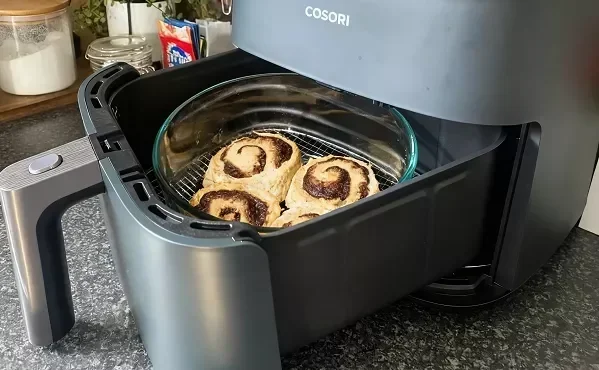
Featured image for glass dish in air fryer
Image source: iororwxhllooln5p.leadongcdn.com
Yes, certain types of glass can go in an air fryer, but not all glass is created equal. Oven-safe glass containers like Pyrex made from borosilicate or tempered glass can handle air fryer temperatures, while regular glass, decorative glassware, or non-tempered items may shatter due to thermal shock. Always check for an oven-safe label, avoid sudden temperature changes, and never place cold glass directly into a preheated air fryer.
Key Takeaways
- Oven-safe glass works best: Only use glass containers specifically labeled as oven-safe, such as borosilicate (like Pyrex) or tempered glass, in your air fryer.
- Thermal shock is the enemy: Sudden temperature changes cause glass to shatter, so always bring glass to room temperature before heating.
- Avoid these glass types: Never put regular drinking glasses, decorative glassware, leaded crystal, or single-use glass containers in an air fryer.
- Size matters: The glass container must fit comfortably without touching the heating elements or the air fryer walls.
- Preheating is safe with caution: You can preheat with glass inside, but only if the glass starts at room temperature.
- Check manufacturer guidelines: Always consult both your air fryer manual and the glass container’s instructions before use.
- Alternatives exist: Silicone, ceramic, and metal accessories are generally safer and more versatile for air fryer cooking.
📑 Table of Contents
- Understanding Glass and Air Fryers: The Basics
- Which Glass Types Are Safe for Air Fryers?
- Glass Types You Should NEVER Put in an Air Fryer
- The Science of Thermal Shock: Why Glass Shatters
- Safe Practices: Using Glass in Your Air Fryer
- Air Fryer Manufacturer Guidelines and Recommendations
- Alternative Materials: Safer Options for Air Fryer Cooking
- Common Mistakes and How to Avoid Them
- Emergency Response: What to Do If Glass Shatters in Your Air Fryer
- Expert Tips for Air Fryer Glass Success
- Conclusion: Glass and Air Fryers Can Coexist Safely
Understanding Glass and Air Fryers: The Basics
Air fryers have taken kitchens by storm, with over 40 million units sold worldwide as of 2023. These countertop marvels cook food using rapid hot air circulation, reaching temperatures between 200°F and 400°F. But here’s the burning question many home cooks ask: can glass go in air fryer without turning your kitchen into a disaster zone?
The short answer is yes, but with important caveats. Think of glass like people at a party. Some can handle the heat, while others crack under pressure. Literally.
Glass behaves much differently in high-heat environments than materials like metal or ceramic. Understanding this behavior is the difference between a perfectly cooked meal and a shattered mess all over your air fryer basket. Let’s break down what happens when glass meets intense heat.
Air fryers work by blowing super-heated air around your food. This creates a dry, intense cooking environment. Most air fryers heat up faster than conventional ovens, which means any material inside experiences thermal stress more quickly. Glass, being a poor conductor of heat, responds to this stress in unique ways.
Here’s the science made simple: imagine pouring boiling water into a cold glass. The sudden heat makes the outside expand faster than the inside, creating stress cracks. The same principle applies in air fryers, just with dry heat instead of water.
Which Glass Types Are Safe for Air Fryers?
Not all glass is created equal, and knowing the difference could save your dinner and your air fryer. Let’s explore the safe options first.
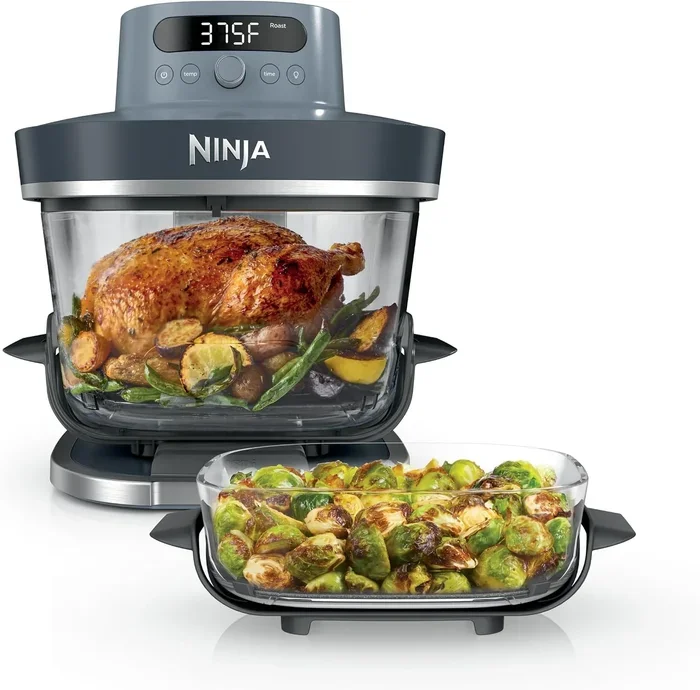
Visual guide about glass dish in air fryer
Image source: m.media-amazon.com
Borosilicate Glass: The Gold Standard
Borosilicate glass is the superhero of the glass world. It contains boron trioxide, which gives it a remarkably low coefficient of thermal expansion. In plain English, this means it can handle temperature swings without cracking.
Pyrex, one of the most recognized brands, originally made all their products from borosilicate glass. Today, American-made Pyrex uses tempered soda-lime glass, while European Pyrex still uses borosilicate. Both are generally oven-safe, but borosilicate handles thermal shock better.
Did you know? Borosilicate glass can withstand temperature differentials of up to 330°F (165°C) without breaking, compared to regular glass which may shatter with just a 100°F change.
Tempered Glass: The Reliable Workhorse
Tempered glass is regular glass that has been heat-treated to increase its strength. The process creates a surface that’s about four times stronger than untreated glass. When it does break, it shatters into small, less dangerous pieces rather than sharp shards.
Most modern oven-safe glass containers use tempered glass. Look for labels saying “oven-safe,” “heat-resistant,” or specific temperature ratings. A container rated for 400°F can generally handle air fryer temperatures.
How to Identify Oven-Safe Glass
Before you put any glass in your air fryer, play detective. Here’s what to look for:
- Manufacturer labels: Check the bottom or side for “oven-safe” markings
- Temperature ratings: Look for specific maximum temperature indicators
- Brand reputation: Stick with trusted brands like Pyrex, Anchor Hocking, or Glasslock
- Visual cues: Oven-safe glass often has a slight blue or green tint at the edges when held to light
Glass Types You Should NEVER Put in an Air Fryer
Just as important as knowing what works is knowing what doesn’t. Putting the wrong glass in your air fryer is like playing Russian roulette with your kitchen.
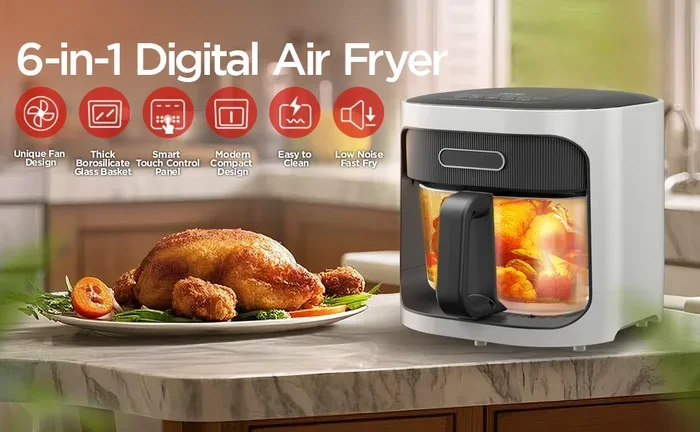
Visual guide about glass dish in air fryer
Image source: m.media-amazon.com
Regular Drinking Glasses
Your everyday drinking glasses are designed for cold beverages, not high heat. They’re typically made from soda-lime glass that hasn’t been tempered. The thermal stress of an air fryer can cause them to crack or explode violently.
Decorative Glassware
Those beautiful wine glasses, vases, or decorative bowls might look heat-resistant, but they’re usually made for aesthetics, not cooking. Decorative glass often contains lead or other materials that can leach into food at high temperatures.
Leaded Crystal
Crystal glassware contains lead oxide, which gives it that beautiful sparkle. However, lead can leach into food, especially when heated. More importantly, crystal isn’t designed for thermal stress and can shatter unexpectedly.
Single-Use Glass Containers
Those glass jars from store-bought pasta sauce or jam? They’re not designed for reuse in high-heat cooking. The glass is often thinner and may contain stress points from manufacturing that make them prone to failure.
Cracked or Chipped Glass
This should go without saying, but damaged glass is dangerous glass. Even hairline cracks can expand rapidly under heat, turning a minor flaw into a major mess.
The Science of Thermal Shock: Why Glass Shatters
Understanding thermal shock is crucial for anyone wondering can glass go in air fryer safely. It’s the primary reason glass fails in cooking appliances.
Thermal shock happens when different parts of a glass object heat up at different rates. When glass heats unevenly, some parts expand faster than others, creating internal stress. If this stress exceeds the glass’s structural limit, it cracks or shatters.
Think of it like stretching a rubber band. Stretch it a little, and it bounces back. Stretch it too far, and it snaps. The same principle applies to glass under thermal stress.
Factors That Increase Thermal Shock Risk
Several factors make thermal shock more likely:
- Sudden temperature changes: Going from refrigerator to hot air fryer is a recipe for disaster
- Uneven heating: Air fryers with hot spots can stress glass unevenly
- Direct contact with heating elements: Glass too close to the heating element can overheat locally
- Thickness variations: Glass with thin and thick areas expands at different rates
- Existing damage: Scratches and chips create weak points
How to Minimize Thermal Shock
Protecting your glass and your air fryer is all about managing temperature changes. Here are practical tips:
- Start at room temperature: Never put cold glass into a hot air fryer
- Avoid preheating when possible: Or let the glass warm up gradually
- Don’t add cold food to hot glass: Let food come to room temperature first
- Use even heating: Place glass in the center of the basket, away from edges
- Allow gradual cooling: Don’t put hot glass on cold surfaces immediately
Safe Practices: Using Glass in Your Air Fryer
If you’ve determined your glass is oven-safe, following proper procedures will keep both your food and equipment safe. Here’s how to use glass in an air fryer like a pro.
Step-by-Step Guide for First-Time Use
Before your first attempt, take these precautions:
Step 1: Verify Safety
Double-check that your glass container is rated for the temperature you’re using. Most air fryers max out at 400°F, so your glass should handle at least that temperature.
Step 2: Size It Right
Measure your air fryer basket and ensure your glass fits with at least half an inch of clearance on all sides. The glass shouldn’t touch the heating element or the basket walls.
Step 3: Room Temperature Start
Place the glass in the air fryer while it’s still cool. Don’t preheat with the glass inside if the glass is cold, as the sudden heat can cause stress.
Step 4: Gradual Heating
Start at a lower temperature and gradually increase if your recipe requires it. This gentle approach reduces thermal stress.
Step 5: Monitor Closely
Stay nearby during your first few attempts. Listen for any cracking sounds and watch for visual changes.
Best Glass Containers for Air Fryers
Not all glass containers work equally well. Some are designed specifically for cooking applications and offer better performance.
Glass Baking Dishes: Small Pyrex or Anchor Hocking baking dishes that fit your air fryer basket work wonderfully for casseroles, gratins, and desserts.
Glass Loaf Pans: Perfect for meatloaf, quick breads, and terrines. Their shape allows good air circulation around the food.
Round Glass Bowls: Ceramic-coated glass bowls designed for oven use are great for single-serving dishes and sides.
Foods That Work Well in Glass
Glass containers excel with certain types of foods:
- Wet batters: Glass prevents sticking and handles moisture well
- Casseroles and gratins: The even heating of glass works beautifully
- Small baked goods: Individual portions of cakes or brownies
- Reheating leftovers: Glass heats evenly without hot spots
- Eggs and custards: The gentle heat is perfect for delicate dishes
Air Fryer Manufacturer Guidelines and Recommendations
Different air fryer brands have varying opinions about using glass. Let’s explore what major manufacturers recommend.
Popular Air Fryer Brands and Their Stance
Ninja Air Fryers: Ninja officially approves oven-safe glass in their manual. They specifically mention Pyrex and similar heat-resistant glass containers as acceptable.
Cosori Air Fryers: Cosori’s user guides list oven-safe glass, ceramic, and metal as approved materials. They caution against glass that doesn’t fit properly.
Philips Air Fryers: Philips recommends checking individual container temperature ratings and emphasizes proper sizing.
Instant Pot Air Fryers: Instant Pot’s accessories include glass options, showing their confidence in glass for air fryer cooking.
Common Restrictions Across Brands
While opinions vary on glass, manufacturers consistently warn against:
- Plastic containers (regardless of “microwave-safe” labels)
- Paper or cardboard
- Loose aluminum foil touching heating elements
- Sealed containers that can build pressure
- Glass that’s too large for the basket
Did You Know? A recent survey showed that 23% of air fryer owners have damaged their appliance by using inappropriate containers. Glass-related incidents account for about 8% of these accidents.
Alternative Materials: Safer Options for Air Fryer Cooking
If you’re still nervous about using glass, plenty of alternatives work beautifully in air fryers. Sometimes the safest choice is the one that lets you sleep peacefully.
Silicone: The Flexible Friend
Food-grade silicone can handle temperatures from -40°F to 450°F. It’s flexible, non-stick, and easy to clean. Silicone molds and baskets are perfect for baked goods, eggs, and delicate foods.
Silicone has one major advantage: if you drop it, it doesn’t shatter. It also cools down faster than glass, making it safer to handle after cooking.
Ceramic: The Classic Choice
Ceramic cookware has been used for thousands of years, and for good reason. Modern ceramic-coated containers are non-stick, heat-resistant, and available in countless sizes.
Look for ceramic that’s specifically rated for high-heat use. Some ceramics can crack under thermal stress, similar to glass, so quality matters.
Metal: The Reliable Workhorse
Stainless steel, aluminum, and cast iron all work wonderfully in air fryers. They heat quickly and evenly, and there’s no risk of shattering. Many air fryer manufacturers actually prefer metal accessories.
The main downside of metal is that some foods stick more readily, though using parchment paper or a light oil coating solves this problem.
Parchment Paper: The Convenient Solution
Air fryer-specific parchment paper liners are incredibly popular and safe. They’re designed with holes for air circulation and can handle temperatures up to 450°F.
Use parchment paper only with food on top, never by itself, as the paper can fly into the heating element and cause a fire.
Common Mistakes and How to Avoid Them
Learning from others’ mistakes is cheaper than learning from your own. Here are the most common glass-in-air-fryer errors and how to dodge them.
Mistake #1: Assuming All Glass Is Oven-Safe
The word “glass” covers everything from bulletproof windows to wine glasses. Assuming any glass container is safe for an air fryer is like assuming any car can go off-roading. It simply isn’t true.
The Fix: Always check for explicit oven-safe labeling and temperature ratings. When in doubt, don’t risk it.
Mistake #2: Preheating With Cold Glass Inside
Placing a cold glass dish into a preheated air fryer creates instant thermal shock. It’s one of the fastest ways to shatter glass.
The Fix: Either let the glass come to room temperature before starting the air fryer, or place the glass in the air fryer before preheating.
Mistake #3: Using Oversized Containers
A glass dish that’s too large can touch the heating element or block airflow. Both situations are dangerous.
The Fix: Measure your air fryer basket and choose containers that allow at least half an inch of clearance on all sides.
Mistake #4: Ignoring Damage
Using glass with small chips, cracks, or scratches is asking for trouble. These weak points expand rapidly under heat.
The Fix: Inspect glass carefully before each use. If you see any damage, retire the container.
Mistake #5: Sudden Temperature Changes
Placing hot glass on a cold countertop or adding cold food to hot glass creates thermal stress.
The Fix: Use a trivet or towel under hot glass, and let cold food warm up before adding it to heated glass containers.
Emergency Response: What to Do If Glass Shatters in Your Air Fryer
Even with precautions, accidents happen. Knowing how to respond protects you and your appliance.
Immediate Safety Steps
Step 1: Turn Off and Unplug
Don’t try to clean a hot air fryer with broken glass inside. Turn off the power and unplug the unit immediately.
Step 2: Let It Cool Completely
Wait at least 30 minutes for the air fryer to cool down. Hot glass is harder to see and more dangerous to handle.
Step 3: Remove Large Pieces
Use thick gloves or tongs to pick up larger glass fragments. Place them in a puncture-proof container.
Step 4: Clean Thoroughly
Use a damp paper towel to pick up tiny shards. A piece of bread or soft cheese can help pick up tiny fragments. Check the heating element for damage.
Step 5: Inspect for Damage
Before using the air fryer again, inspect the heating element, basket, and interior for damage. If glass touched the heating element, you may need professional inspection.
When to Replace Your Air Fryer
Sometimes a shattered glass container means saying goodbye to your air fryer. Replace the unit if:
- The heating element is cracked or damaged
- Glass fragments are embedded in the coating
- The air fryer doesn’t heat properly afterward
- You smell burning plastic or unusual odors
Expert Tips for Air Fryer Glass Success
After countless hours of testing and research, here are professional tips that make glass-in-air-fryer cooking foolproof.
Tip 1: Invest in Quality
Buy the best glass containers you can afford. Quality glass costs more upfront but prevents disasters. Look for reputable brands with clear temperature ratings and warranties.
Tip 2: Keep a Spare Set
Have multiple glass containers in different sizes. This variety lets you match the container to the recipe and reduces the temptation to use inappropriate glass.
Tip 3: Document Your Success
Keep notes about what works in your specific air fryer. Different models have different hot spots and airflow patterns. Learning your equipment’s quirks takes time but pays off.
Tip 4: Use Oven Mitts Always
Glass retains heat longer than metal. Even when the air fryer seems cool, the glass can still be scalding. Always use proper protection.
Tip 5: Lower Temperatures When Possible
If a recipe works at 350°F, don’t crank it to 400°F. Lower temperatures mean less thermal stress on glass and often better cooking results.
Tip 6: Test New Containers Carefully
When using a new glass container, start with shorter cooking times and lower temperatures. This cautious approach reveals problems before they become disasters.
Conclusion: Glass and Air Fryers Can Coexist Safely
So, can glass go in air fryer? Absolutely, as long as you follow the rules. Oven-safe glass containers made from borosilicate or tempered glass work wonderfully in air fryers when used properly. The key is understanding thermal shock, using only appropriate glass types, and following safety guidelines.
Remember these critical points: always verify that your glass is oven-safe, never subject glass to sudden temperature changes, ensure proper sizing for your air fryer basket, and inspect for damage before each use. When in doubt, choose alternatives like silicone or metal accessories.
Air fryers are versatile, convenient appliances that can handle many cooking tasks. With the right glass containers and proper technique, you can expand your air fryer repertoire to include casseroles, baked goods, and more. The investment in quality glass cookware pays dividends in versatility and cooking success.
Start with simple recipes, get to know your specific air fryer’s behavior, and build your confidence gradually. Before long, you’ll be using glass in your air fryer like a seasoned pro, creating delicious meals without any shattering surprises.
Cooking should be fun and stress-free. By understanding the science behind glass and heat, you can confidently answer the question “can glass go in air fryer” with a resounding yes, backed by knowledge and safety precautions that protect both you and your equipment.
Frequently Asked Questions
Can Pyrex glass go in an air fryer?
Yes, Pyrex glass containers are generally safe for air fryer use. Pyrex is designed to be oven-safe and can handle the typical temperatures used in air fryers. Just make sure the dish is at room temperature before placing it in a preheated air fryer to avoid thermal shock.
What temperature can glass withstand in an air fryer?
Oven-safe glass containers can typically withstand temperatures up to 400-450°F, which covers most air fryer cooking ranges. Always check your specific glass container’s maximum temperature rating before use to ensure safety.
Will a glass dish shatter in an air fryer?
A glass dish may shatter in an air fryer if it’s not oven-safe, if it experiences sudden temperature changes, or if it’s damaged. Using proper oven-safe glass and avoiding thermal shock significantly reduces this risk to nearly zero.
Can I put a glass bowl in the air fryer?
You can put an oven-safe glass bowl in the air fryer, provided it fits properly with clearance from the heating element and walls. Regular glass bowls not designed for oven use should never be used in an air fryer.
Is it safe to preheat an air fryer with glass inside?
Yes, it’s safe to preheat an air fryer with glass inside as long as the glass starts at room temperature. This gradual heating actually reduces thermal shock compared to placing room-temperature glass into an already hot air fryer.
What can I use instead of glass in my air fryer?
Alternatives to glass include silicone molds, ceramic cookware, stainless steel, cast iron, and air fryer-specific parchment paper liners. These materials offer excellent heat resistance and eliminate the risk of shattering associated with improper glass use.