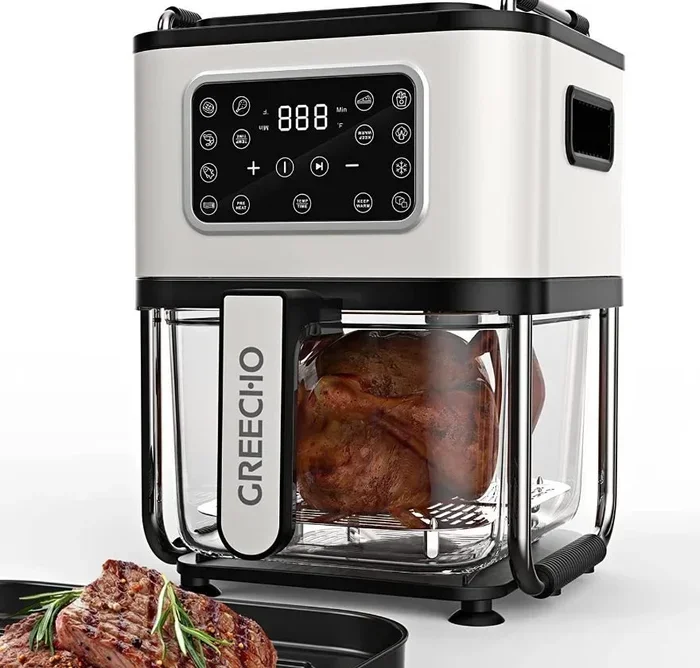
Featured image for glass dish in air fryer
Image source: i.pinimg.com
Putting regular glass containers in an air fryer is dangerous and not recommended. Air fryers reach high temperatures with intense circulating heat that can shatter standard glass. However, certain oven-safe tempered glass containers may work in some models if they fit properly and are rated for high temperatures. The safest choice is always cookware specifically designed for air fryer use, such as metal baskets, ceramic dishes, or heat-resistant accessories.
Picture this: you’ve just bought a shiny new air fryer, and you’re excited to cook everything from crispy chicken wings to fluffy muffins. But wait, your favorite glass baking dish is sitting right there in the cabinet. Can you just pop it in the air fryer and call it dinner? Before you try it, let’s unpack this question completely.
Here’s the honest answer upfront: regular glass containers are a big no for air fryers. But the full story is more nuanced than a simple yes or no. Some specialty glass products can handle the heat, while others will crack, shatter, or worse, send glass shards flying across your kitchen. Understanding the why behind this will help you make smart decisions every time you cook.
Air fryers work like tiny convection ovens on steroids. They blast hot air at speeds up to 180 miles per hour around your food. This intense, direct heat cooks things faster than traditional ovens, but it also creates conditions that are tough on certain materials. Glass happens to be one of those tricky materials. Let’s dive deep into when glass works, when it doesn’t, and what you should use instead.
Key Takeaways
- Regular glass breaks in air fryers: Standard drinking glasses, mason jars, and food storage containers cannot withstand the rapid, intense heat of air fryers and may shatter.
- Tempered oven-safe glass may work: Some high-quality borosilicate or tempered glass dishes rated for 400°F+ can potentially be used if they fit your air fryer basket properly.
- Thermal shock is the main danger: Sudden temperature changes cause glass to crack or explode, creating serious safety hazards and messy cleanup.
- Heat distribution matters: Glass insulates food, which prevents proper air circulation and can result in uneven cooking or raw spots.
- Check manufacturer guidelines: Always consult your specific air fryer’s manual for approved cookware materials and temperature limits.
- Safer alternatives exist: Metal, ceramic, silicone, and purpose-made air fryer accessories provide better results without safety risks.
- When in doubt, skip the glass: The potential risks of breakage, injury, and damage to your appliance outweigh any convenience factor.
📑 Table of Contents
- Understanding How Air Fryers Generate Heat
- The Truth About Different Glass Types
- The Dangers of Putting Wrong Glass in Air Fryers
- When Glass Might Work in an Air Fryer
- Better Alternatives to Glass for Air Fryers
- Practical Tips for Air Fryer Success
- Frequently Asked Questions About Glass in Air Fryers
- Final Thoughts on Glass and Air Fryers
Understanding How Air Fryers Generate Heat
To understand whether glass belongs in your air fryer, you first need to grasp how these appliances actually cook your food. It’s not magic. It’s physics, and once you see how it works, everything else clicks into place.
The Science Behind Air Fryer Cooking
Air fryers use a heating element, usually located at the top of the cooking chamber, combined with a powerful fan. This fan circulates hot air at extremely high speeds around your food. Think of it like a tornado of heat that surrounds whatever you’re cooking. Most air fryers operate between 300°F and 400°F, with some models reaching 450°F or higher.
The rapid air movement is what creates that coveted crispy exterior we all love. It’s similar to deep frying but uses hot air instead of oil. This high-velocity heat does three important things:
- Creates the Maillard reaction, which gives food that golden-brown color and savory flavor
- Removes moisture quickly from the food’s surface, leading to crispiness
- Cooks food faster than conventional ovens because heat transfers more efficiently
Did you know? The average air fryer cooks food about 20% faster than a conventional oven, according to a 2022 study published in the Journal of Food Science. This speed is exactly what makes certain materials unsafe.
Why Temperature Changes Matter So Much
Here’s a simple analogy: imagine pouring boiling water into a cold drinking glass. Pop! It might crack or even explode. That’s thermal shock. Air fryers cause similar problems because they heat up so quickly and reach such high temperatures.
Standard glass expands when heated and contracts when cooled. The faster these temperature changes happen, the more stress gets placed on the glass structure. When the stress becomes too much, the glass cracks or shatters. This isn’t just a minor inconvenience. It can cause serious injuries and completely ruin your air fryer.
The Truth About Different Glass Types
Not all glass is created equal. The glass in your window behaves very differently from the glass in laboratory beakers. Understanding these differences is crucial before you even think about putting glass in an air fryer.
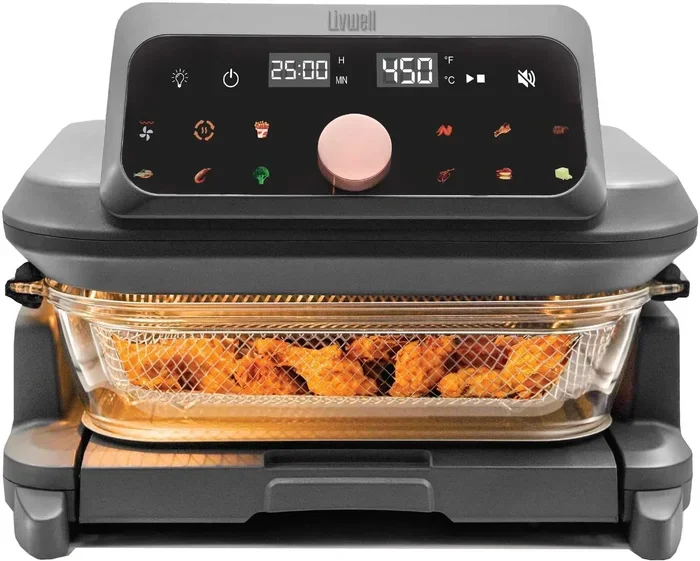
Visual guide about glass dish in air fryer
Image source: m.media-amazon.com
Regular Soda-Lime Glass
This is the most common glass type found in drinking glasses, food storage containers, and basic kitchen items. It’s affordable and works great for cold foods and liquids. However, it has a low thermal shock resistance. Most soda-lime glass products can handle temperatures up to about 200°F to 300°F before they start having problems.
Air fryers operate well above this range. Even at their lowest settings, they exceed what most regular glass can safely handle. So that mason jar, leftover pasta container, or glass measuring cup you were eyeing? Keep them far away from your air fryer.
Tempered Glass and Borosilicate Glass
Now here’s where things get interesting. Tempered glass is specially treated through heating and rapid cooling processes. This makes it roughly four times stronger than regular glass and much more resistant to thermal shock. You’ll find tempered glass in items like oven doors, high-quality measuring cups, and some baking dishes.
Borosilicate glass takes heat resistance even further. It contains boron trioxide, which gives it an incredibly low thermal expansion coefficient. Pyrex, the famous laboratory glass brand, made their classic products from borosilicate glass. Modern Pyrex in the United States actually uses soda-lime glass, but European Pyrex and laboratory-grade products still use borosilicate.
Did you know? Borosilicate glass can handle temperature changes up to 330°F without breaking. That’s impressive, but still not unlimited, especially in the intense environment of an air fryer.
Glass-Ceramic Cookware
Glass-ceramic materials, like those used in CorningWare and some modern baking dishes, represent the gold standard for heat-resistant cookware. These products combine the best properties of glass and ceramic, creating materials that can withstand extreme temperature changes.
Glass-ceramic cookware is specifically engineered for oven use and can typically handle temperatures up to 500°F or higher. However, even these specialized products may not be ideal for air fryers because of how heat circulates in the small cooking chamber.
The Dangers of Putting Wrong Glass in Air Fryers
If you’re still considering tossing that regular glass container into your air fryer, let me paint a picture of what could go wrong. The risks aren’t just theoretical. Real people have experienced these problems, and the results range from messy to genuinely dangerous.
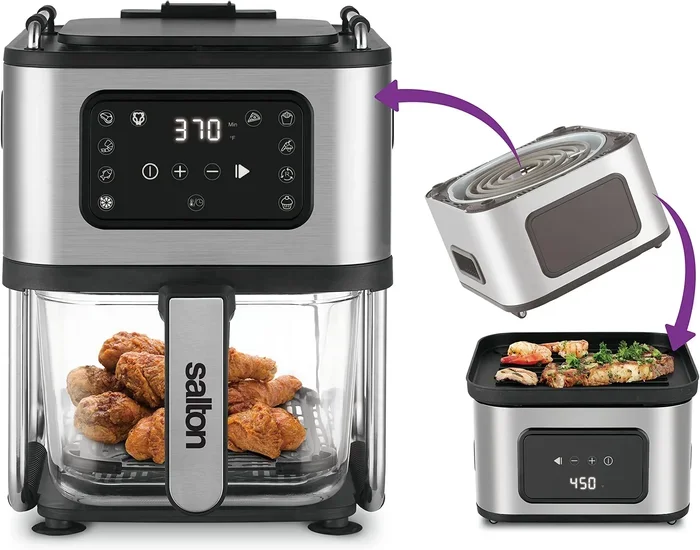
Visual guide about glass dish in air fryer
Image source: m.media-amazon.com
Explosion Risk and Flying Glass
When glass fails in an air fryer, it doesn’t just crack quietly. Because of the intense heat and rapid temperature changes, glass can shatter explosively. The high-velocity fan that makes air fryers so effective also turns your cooking chamber into a glass-shard launcher.
Imagine opening your air fryer basket only to find your kitchen counter covered in tiny glass fragments. Some of these pieces can fly out when you open the appliance, creating cut hazards. The cleanup is also incredibly difficult because glass fragments can lodge in the heating element or other hard-to-reach areas.
Damage to Your Air Fryer
Broken glass inside an air fryer isn’t just a mess. It can damage the non-stick coating on your basket, clog the fan, or scratch the heating element. Repairing these issues often costs more than buying a new air fryer. Some manufacturers won’t honor warranties if you’ve used unapproved materials.
Fire Hazard
Here’s something many people don’t think about: if glass shatters and food spills onto the heating element, you now have a potential fire situation. Grease, oils, and food particles hitting a 400°F heating element can smoke, spark, or even ignite. This risk multiplies when glass fragments are involved because they can block airflow and cause the appliance to overheat.
Food Safety Concerns
If glass does break in your air fryer, you face the nightmare scenario of glass-contaminated food. Tiny shards can be nearly invisible, and consuming them can cause serious internal injuries. Even if you can see most of the broken pieces, microscopic fragments may remain and contaminate your meal.
When Glass Might Work in an Air Fryer
Okay, we’ve covered the doom and gloom. But are there situations where glass can actually work? Yes, but with significant caveats.
Small, Shallow Glass Dishes That Fit Properly
If you have a small, shallow borosilicate or tempered glass dish that clearly states it’s oven-safe to at least 450°F, and it fits inside your air fryer basket with space around all sides for air circulation, you might be okay. The key word here is “might.”
Here are the strict requirements:
- The dish must be specifically labeled as oven-safe
- It should be borosilicate or tempered glass designed for high heat
- The dish must fit loosely in the basket, allowing at least half an inch of space on all sides
- Never preheat the air fryer with the glass inside, as the initial heat surge can cause thermal shock
- Start at a lower temperature and gradually increase if needed
- Never use glass that’s been previously cracked, chipped, or damaged
Manufacturer-Approved Glass Accessories
Some air fryer manufacturers have started producing their own glass accessories, like glass air fryer liners or small baking dishes specifically designed for their models. These products have been tested and approved for use in specific air fryer temperatures and configurations.
Companies like Philips, Ninja, and Cosori sometimes offer these accessories as add-ons. If you can find a manufacturer-approved glass accessory for your specific model, that’s the safest option if you really want to use glass.
Low-Temperature Applications
Some air fryer recipes call for lower temperatures, around 250°F to 300°F. At these temperatures, high-quality tempered glass may perform more reliably. However, you still need to consider air circulation. A glass dish blocks airflow to the bottom of your food, so you’ll need to flip or stir food more frequently.
Better Alternatives to Glass for Air Fryers
You know what works even better than glass in air fryers? Materials specifically designed for the job. Let’s explore your options.
Metal Cookware
Metal is the gold standard for air fryer cooking. Aluminum, stainless steel, and carbon steel all handle high temperatures beautifully. They conduct heat efficiently and won’t break or shatter. Many air fryers come with metal baskets already, and you can find metal pans, racks, and accessories designed specifically for air fryer use.
One word of caution: avoid non-stick metal coatings unless they’re specifically rated for air fryer use. Some non-stick coatings can release harmful fumes at very high temperatures.
Ceramic Dishes
Ceramic cookware that’s rated for high temperatures works wonderfully in air fryers. Like glass, ceramic provides even heat distribution, but it’s more durable and less prone to thermal shock. Look for ceramic dishes labeled as oven-safe to at least 450°F.
Many people use small ceramic ramekins, ceramic pie dishes, and ceramic baking dishes in their air fryers with excellent results. Just make sure they fit properly with adequate air circulation space.
Silicone Accessories
Food-grade silicone has become incredibly popular for air fryer cooking. Silicone muffin cups, baking molds, and liners can handle temperatures well above what air fryers produce. They’re flexible, easy to clean, and won’t shatter if dropped.
Make sure any silicone you use is food-grade and rated for high temperatures. Cheap, low-quality silicone may contain fillers that can break down at high heats.
Parchment Paper and Air Fryer Liners
For many applications, perforated parchment paper or specially-designed air fryer liners work perfectly. They prevent sticking, allow air circulation, and make cleanup a breeze. Just make sure any paper products are weighted down by food so they don’t fly into the heating element.
Wood and Bamboo
Wait, wood? In an air fryer? Some people use wooden skewers, bamboo steamers, or small wooden trays for short cooking times at moderate temperatures. However, wood can scorch or catch fire at high temperatures, so use caution and stay with shorter cooking times.
Practical Tips for Air Fryer Success
Now that you understand the science and your options, here are some practical tips to make your air fryer cooking safer and more successful.
Always Read Your Manual
Your air fryer’s manual contains specific information about what materials you can and cannot use. Manufacturers test their products extensively and provide guidance for safe operation. Following these guidelines protects both your food and your warranty.
Check Temperature Ratings
Every piece of cookware has a maximum temperature rating. Before using any dish in your air fryer, verify that its temperature rating exceeds your air fryer’s maximum temperature setting. This simple check can prevent most disasters.
Pre-Check for Damage
Inspect any cookware before using it. Cracks, chips, and stress marks weaken the structure. A small flaw that wouldn’t matter in a conventional oven can become a major failure point in an air fryer’s intense environment.
Mind the Air Flow
Air fryers need to breathe. Whatever cookware you use, make sure air can circulate around and through it. This might mean using smaller dishes, leaving space around the edges, or stirring food more frequently. Blocked airflow leads to uneven cooking and can even cause overheating.
Start Conservatively
If you’re trying a new material or dish in your air fryer, start with lower temperatures and shorter cooking times. This gives you a chance to observe how the material performs without risking a full-temperature failure.
Never Add Glass to a Preheated Air Fryer
Room-temperature glass placed into a hot air fryer experiences extreme thermal shock. If you must use glass, place it in the air fryer during the preheating process so it heats up gradually along with the appliance.
Did you know? A survey by the National Fire Protection Association found that cooking equipment is involved in nearly half of all home fires. Following manufacturer guidelines helps reduce these risks significantly.
Frequently Asked Questions About Glass in Air Fryers
Here are answers to some common questions that pop up about using glass in air fryers. These come from real users who’ve asked the same questions you’re probably thinking about right now.
Can I use a Pyrex dish in my air fryer?
Modern American-made Pyrex uses soda-lime glass and isn’t ideal for air fryers. However, European Pyrex (made from borosilicate glass) and laboratory-grade Pyrex can handle air fryer temperatures better. Always check your specific dish’s temperature rating and ensure it fits with adequate air circulation space.
What temperature will shatter regular glass?
Regular soda-lime glass typically fails at temperatures between 200°F and 300°F, but the bigger risk is thermal shock. Sudden temperature changes of more than 100°F can cause shattering. Air fryers create these conditions easily, making regular glass unsafe.
Can I put a glass plate in my air fryer?
Standard glass plates aren’t recommended. They aren’t designed for the high, circulating heat of air fryers. If you want to use a plate, choose one specifically labeled as oven-safe, tempered, and made for high-temperature cooking.
Will glass conduct heat properly in an air fryer?
Glass insulates rather than conducts heat. This means food in glass containers takes longer to cook and may cook unevenly compared to metal cookware. The insulating properties also block the airflow that makes air fryers work so well, potentially resulting in soggy or undercooked food.
Is it safe to put a glass bowl in an air fryer if it’s labeled oven-safe?
Oven-safe labels typically mean the glass can handle conventional oven temperatures, but air fryers create more intense, direct heat. The label doesn’t guarantee air fryer safety. If you choose to try it, use only high-quality tempered or borosilicate glass, ensure proper fit and airflow, and never exceed the dish’s temperature rating.
What happens if glass breaks inside my air fryer?
Stop the air fryer immediately and unplug it. Let it cool completely before attempting cleanup. Carefully remove large glass pieces with protective gloves, then use a vacuum with a hose attachment for smaller fragments. Check the heating element and fan for damage before using the air fryer again. If you find damage, contact the manufacturer before next use.
Final Thoughts on Glass and Air Fryers
The bottom line is this: while some specialty glass products can technically survive in an air fryer, the risks usually outweigh the benefits. Regular glass is definitely off-limits. Even oven-safe glass can block airflow and lead to uneven cooking. For most people, sticking with metal, ceramic, or silicone accessories is the safer, more practical choice.
Your air fryer is an investment in convenient, delicious cooking. Protecting that investment means using materials that complement how the appliance works rather than fight against it. Metal and ceramic cookware conduct heat well, allow proper air circulation, and handle temperature changes without cracking.
That said, every rule has exceptions. If you have a small, high-quality borosilicate glass dish that fits your air fryer properly and you’re willing to take precautions, you can experiment with caution. Just remember that convenience isn’t worth a shattered dish, a damaged appliance, or a trip to the emergency room.
Here’s a simple decision framework to help you next time you’re wondering about glass:
- If the glass isn’t specifically rated for high-temperature oven use, don’t use it
- If the dish doesn’t fit with adequate air circulation space, don’t use it
- If you’re unsure about the glass type or quality, don’t use it
- If you’re cooking at temperatures above the glass rating, definitely don’t use it
When in doubt, reach for metal or ceramic cookware designed for air fryer use. Your food will cook better, your cleanup will be easier, and you’ll sleep better at night knowing you made the safe choice. Happy air frying!