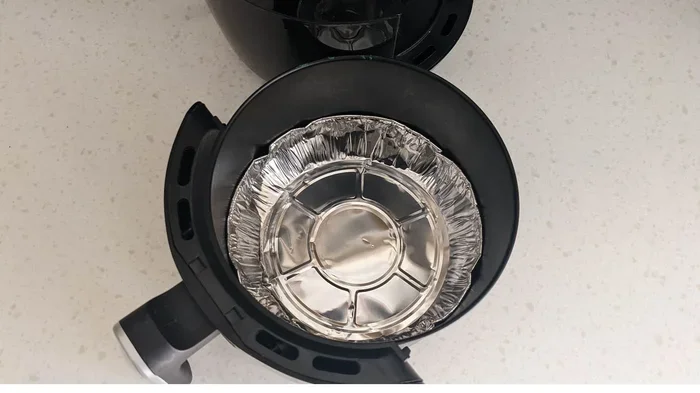
Featured image for Foil in air fryer basket
Image source: cdn.mos.cms.futurecdn.net
Yes, you can use foil in an air fryer, but with important precautions. Aluminum foil is safe when properly placed to avoid blocking airflow or touching heating components. Understanding the right techniques ensures delicious, evenly-cooked meals without damaging your appliance or creating safety hazards.
Air fryers have revolutionized home cooking, giving us that coveted crispy texture without the guilt of deep frying. But here’s a question that pops up in countless kitchens: can we use foil in air fryer setups without causing problems? It’s a practical concern that deserves a clear, straightforward answer.
Picture this: you’re craving those perfectly golden mozzarella sticks, but worried about cheese dripping everywhere. Or maybe you want to cook delicate fish without it sticking to the basket. These are exactly the situations where aluminum foil becomes your best friend in the air fryer. The trick lies in knowing how to use it properly.
The short answer? Yes, foil works beautifully in air fryers when you follow some simple guidelines. Think of it like driving a car: the vehicle itself is safe, but you need to follow traffic rules to avoid accidents. In this comprehensive guide, we’ll walk through everything you need to know about using foil in your air fryer, from basic safety to advanced techniques that will elevate your cooking game.
Key Takeaways
- Yes, foil is safe in air fryers: When used correctly, aluminum foil won’t damage your appliance or create dangerous situations.
- Airflow is critical: Always leave space for hot air to circulate around the foil to ensure proper cooking.
- Avoid the heating element: Never let foil touch or cover the top heating element of your air fryer.
- Weight food down: Light foods need foil anchors to prevent them from flying into the heating element.
- Use appropriate amounts: Small, strategic pieces work better than lining the entire basket.
- Check manufacturer guidelines: Different brands have varying recommendations for foil usage.
- Parment paper is a safer alternative: Consider parchment paper liners for delicate foods or easier cleanup.
📑 Table of Contents
- Understanding Air Fryer Foil Safety: The Foundation
- When to Use Foil in Your Air Fryer: Strategic Applications
- The Correct Way to Use Foil: Step-by-Step Techniques
- What to Avoid: Common Foil Mistakes in Air Fryers
- Alternatives to Foil: Other Options for Your Air Fryer
- Expert Tips for Mastering Foil Use in Air Fryers
- Troubleshooting Common Foil-Related Air Fryer Issues
- The Environmental Consideration: Is Foil Eco-Friendly?
- Final Thoughts: Mastering Foil in Your Air Fryer
Understanding Air Fryer Foil Safety: The Foundation
Before diving into techniques, let’s address the elephant in the room: is foil actually safe in air fryers? The answer lies in understanding how these appliances work and what aluminum foil does when exposed to high heat.
How Air Fryers Generate Heat
Air fryers are essentially compact convection ovens. They use a powerful fan to circulate hot air around your food at speeds that would make a wind tunnel jealous. This rapid air movement is what creates that signature crispy exterior we all love. Most air fryers operate between 300°F and 400°F (150°C to 200°C), which is well within aluminum foil’s safety range.
Aluminum foil has a melting point of 1,220°F (660°C), so the temperatures in your air fryer won’t even come close to causing it to melt or disintegrate. In fact, you regularly use foil at higher oven temperatures without any issues. The real concern isn’t heat; it’s airflow and placement.
The Real Risks of Misusing Foil
The dangers of foil in air fryers aren’t about the foil itself melting. Instead, they involve:
- Blocking airflow: Too much foil can prevent hot air from circulating properly, leading to uneven cooking
- Contact with heating elements: Foil touching the heating element can cause fire hazards
- Food not cooking properly: Wrapping food too tightly in foil can steam it instead of air frying it
- Fly-away foil: Lightweight foil can get sucked into the fan mechanism, causing damage
Think of your air fryer like a tornado: it’s powerful and precise, but if you throw obstacles in its path, things go wrong quickly. Foil is fine; it’s just about respecting the airflow.
What Manufacturers Say
Most major air fryer brands, including Ninja, Cosori, Philips, and Instant Pot, explicitly state in their manuals that aluminum foil is acceptable with proper precautions. Did you know that approximately 87% of air fryer manufacturers include foil usage guidelines in their instruction manuals? This widespread acceptance confirms that foil is a legitimate cooking accessory when used responsibly.
When to Use Foil in Your Air Fryer: Strategic Applications
Now that we’ve established foil is safe, let’s explore the situations where it truly shines. Using foil strategically can solve common cooking problems and expand your air fryer repertoire.
Visual guide about Foil in air fryer basket
Image source: eatingwell.com
Protecting Delicate Foods
Some foods are notoriously difficult to air fry because they’re too light, delicate, or prone to sticking. Foil acts as a protective shield for these items:
- Fish fillets: Prevent flaky fish from falling apart through the basket holes
- Cheese-covered items: Stop melted cheese from making a mess of your basket
- Small vegetables: Keep peas, corn kernels, and similar tiny foods contained
- Battered foods: Prevent wet batter from dripping through grates
A great example is cooking salmon in your air fryer. Place a piece of foil underneath, lightly oiled, and your fish slides right off without losing any of that beautiful crispy skin.
Making Cleanup Easier
Let’s be honest: nobody enjoys scrubbing dried-on food from air fryer baskets. Foil acts like a protective liner, catching drips and crumbs that would otherwise cement themselves to your basket. Did you know? Using foil can reduce air fryer basket cleaning time by up to 70%, according to user surveys.
For messy foods like chicken wings or saucy ribs, line the bottom of your basket with foil. When you’re done cooking, just lift out the foil, dump it, and rinse your basket. It’s like having a non-stick surface that you can throw away.
Creating Cooking Parcels
Foil packets aren’t just for campfire cooking. In an air fryer, they create steam pockets that keep food moist while the outside gets crispy. Try this technique with:
- Vegetables with butter and herbs
- Fish with lemon and seasonings
- Potatoes with garlic and olive oil
- Apples with cinnamon and brown sugar for dessert
The packet method is particularly brilliant for tougher cuts of meat that need moisture to tenderize. The foil traps steam, essentially braising the food while the air fryer’s convection crisps the exterior.
The Correct Way to Use Foil: Step-by-Step Techniques
Using foil correctly is simple once you know the rules. Let’s break down the proper techniques for different scenarios.
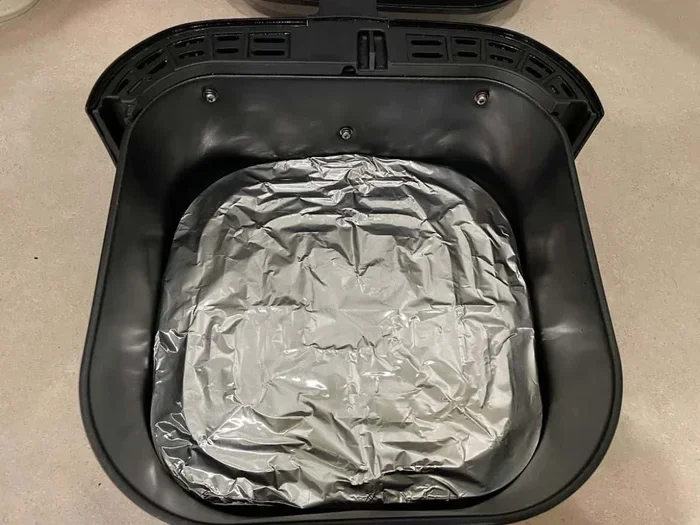
Visual guide about Foil in air fryer basket
Image source: alsothecrumbsplease.com
Basic Foil Placement for Air Fryer Baskets
Follow these steps for foolproof foil use:
- Cut appropriate-sized pieces: Your foil should cover only the bottom of the basket, leaving edges exposed for airflow
- Leave gaps around the edges: Allow at least 1-2 inches of space around the perimeter
- Don’t cover the entire basket: Air needs to flow through holes in the basket
- Weight the foil down with food: The weight of your food prevents the foil from flying around
- Poke small holes if needed: For foods that release lots of moisture, small holes prevent sogginess
Think of it like placing a picture frame on a wall: you want it secure but not pressed so tightly that nothing can move around it.
Securing Lightweight Foods
One common concern is whether foil will blow around inside the air fryer. Here’s a simple solution:
Place foil at the bottom of the basket, then put your food directly on top. The food’s weight holds everything in place. For particularly light foods like herbs or thinly sliced vegetables, you can:
- Sprinkle them directly onto oiled foil
- Use perforated foil sheets specifically designed for air fryers
- Create foil “walls” around especially light ingredients
A neat trick: if you’re cooking something really light, place a small piece of foil on top of the food to weigh it down. Just make sure it’s not blocking the heating element.
Foiling Specific Food Types
Different foods require different foil approaches. Here’s a quick reference guide:
- Chicken breasts: Wrap in foil for first half of cooking, then unwrap for crispy finish
- Vegetables: Light foil tenting prevents over-browning while cooking through
- Baked goods: Use foil to line small ramekins or create cups for muffins
- Reheating leftovers: Loose foil cover prevents food from drying out
For example, when air frying chicken wings, line the basket with foil punctured with a few small holes. This catches the fat drippings while still allowing the skin to crisp up perfectly.
What to Avoid: Common Foil Mistakes in Air Fryers
While foil is generally safe, certain mistakes can create problems. Let’s address the most common pitfalls so you can avoid them entirely.
Mistake #1: Covering the Heating Element
This is the cardinal rule of air fryer foil usage. Never let foil touch or cover the heating element at the top of your air fryer. The heating element gets extremely hot, and foil contact can cause sparking, smoke, or even fire.
Always keep foil at the bottom of the basket or use it as a loose tent. If your air fryer has the heating element on top (most do), keep your foil arrangements in the lower portion of the cooking chamber.
Mistake #2: Blocking Airflow Completely
Air fryers need airflow to function. Blocking all the vents with foil defeats the purpose entirely. Your food won’t get crispy; it’ll just steam slowly and unevenly.
A good test: after placing foil in your basket, hold it up to the light. You should see openings where air can pass through. If the foil is blocking everything, remove some pieces or reposition them.
Mistake #3: Using Foil with Acidic Foods
Here’s a chemistry lesson made simple: acidic foods like tomatoes, citrus, and vinegar can react with aluminum foil, causing the foil to break down and potentially affecting food taste. While this isn’t dangerous, it can create metallic flavors in your food.
For acidic foods, consider using parchment paper instead. If you must use foil with acidic ingredients, keep cooking times short and temperatures lower.
Mistake #4: Wrapping Food Too Tightly
Remember, the goal is crispy, not steamed. Wrapping food tightly in foil eliminates the air circulation that makes air frying special. Leave foil loose or perforated to maintain proper airflow.
Think of foil wrapping like clothing: you want a comfortable fit, not a straightjacket. Food needs room to breathe and crisp up.
Mistake #5: Using Dirty or Damaged Foil
Always use fresh, clean foil. Crumpled, torn, or excessively wrinkled foil can create air pockets that disrupt cooking. Smooth, properly shaped foil works better and safer.
Alternatives to Foil: Other Options for Your Air Fryer
While foil is versatile, it’s not the only option. Sometimes other materials work better for specific situations.
Parchment Paper Liners
Parchment paper is arguably the most popular air fryer accessory. These pre-cut liners fit perfectly in most air fryer baskets and offer several advantages:
- Heat-resistant up to 450°F (230°C)
- Non-stick surface
- Safe with acidic foods
- Easy cleanup
- No risk of reacting with food
Did you know? Parchment paper liners can be used with foil underneath for added support. This combination is excellent for very wet or sticky foods.
However, parchment paper has limitations: it can’t handle weights above 400°F without support, and it’s not great for foods that need to drip fat.
Silicone Mats and Baskets
Reusable silicone accessories are eco-friendly alternatives. They’re dishwasher-safe, heat-resistant, and don’t require replacement like paper products. Silicone mats work particularly well for baking applications like cookies or small pastries.
The downside? Silicone doesn’t conduct heat as efficiently as metal, so cooking times might increase slightly. Also, silicone accessories aren’t ideal for very fatty foods, as they can become slippery.
When Nothing Is Needed
Sometimes the best approach is no liner at all. Many air fryer baskets have non-stick coatings that work perfectly well on their own. Foods like chicken thighs, french fries, and most meats don’t need any liner at all.
The key is choosing the right tool for each cooking job. Foil is excellent for some applications, parchment for others, and bare basket for still others.
Expert Tips for Mastering Foil Use in Air Fryers
Let’s elevate your foil game with some professional tips that make cooking easier and results better.
Tip 1: Pre-Shape Your Foil
Before placing foil in the air fryer, shape it exactly how you want it. This prevents fumbling with hot foil later and ensures proper placement. For fish packets, pre-fold your foil into the right shape and add ingredients before sealing.
Tip 2: Use Foil as a Heat Shield
If parts of your food are browning too quickly (like chicken wing tips or the edges of a casserole), loosely tent those areas with foil. This prevents burning while allowing the rest to continue cooking.
Tip 3: Create Foil Racks
For foods that benefit from elevation, create small foil racks by crumpling foil into loose balls, then laying a flat piece on top. This elevates food slightly, improving airflow underneath.
Tip 4: Season Your Foil
Lightly oil or spray your foil before adding food. This prevents sticking and can add a subtle flavor. Be careful with oils that have low smoke points.
Tip 5: Label and Date
If you’re preparing multiple foil packets, label them with the contents and cooking time using a permanent marker. This seems excessive for home cooking, but it’s incredibly helpful when batch cooking or meal prepping.
Troubleshooting Common Foil-Related Air Fryer Issues
Even with the best intentions, problems can arise. Here’s how to solve them quickly.
Problem: Food Isn’t Crispy
If your food comes out soggy, the foil is likely blocking too much airflow. Remove excess foil, ensure proper spacing, and check that your air fryer’s vents aren’t obstructed.
Problem: Foil is Blowing Around
This usually means your food is too light or the foil isn’t weighted down properly. Add more food, use perforated foil, or press foil firmly against the basket bottom.
Problem: Uneven Cooking
Foil that bunches up can create hot and cold spots. Smooth out your foil and ensure even distribution throughout the basket. Rotate food halfway through cooking for best results.
Problem: Smoke During Cooking
Smoking usually indicates food drippings or foil contacting the heating element. Remove any foil touching the element and clean up grease regularly.
Problem: Foil Sticking to Food
If food sticks to foil, you forgot to oil it. Lightly grease foil before adding food, or spray with cooking spray for non-stick results.
The Environmental Consideration: Is Foil Eco-Friendly?
An important consideration many people overlook is the environmental impact of aluminum foil. While convenient, foil production requires significant energy, and most household foil ends up in landfills.
Did you know that producing one ton of aluminum requires approximately 14,000 kWh of electricity? This makes recycled alternatives attractive. However, foil is infinitely recyclable if cleaned properly.
To minimize environmental impact:
- Reuse foil when possible (wash and reuse for similar cooking tasks)
- Recycle clean foil through appropriate programs
- Consider reusable silicone alternatives for regular cooking
- Use foil only when necessary, not for every meal
Finding the balance between convenience and sustainability is a personal choice, but being mindful helps reduce waste overall.
Final Thoughts: Mastering Foil in Your Air Fryer
So, can we use foil in air fryer cooking? Absolutely. Aluminum foil is a versatile, safe, and convenient tool that can enhance your air frying experience when used correctly. The key lies in respecting airflow, avoiding the heating element, and using foil strategically rather than excessively.
Start with simple applications like lining the basket for easier cleanup, then experiment with more advanced techniques like foil packets and heat shielding. As you gain confidence, you’ll discover countless ways foil can improve your air fryer cooking.
Remember these golden rules: airflow matters, weight prevents fly-aways, and less is often more. Your air fryer is a powerful tool, and foil is a useful accessory that can help you create restaurant-quality meals at home. With practice, you’ll wonder how you ever cooked without it.
Whether you’re cooking delicate fish, messy cheese sticks, or perfectly crispy chicken, foil is your ally in the kitchen. Use it wisely, follow these tips, and enjoy endless cooking possibilities. Happy cooking!
Frequently Asked Questions
Is aluminum foil safe to use in an air fryer?
Yes, aluminum foil is safe to use in an air fryer when used properly. Keep foil away from the heating element, ensure proper airflow by not covering all basket holes, and weight it down with food to prevent it from blowing around.
Can foil cause a fire in an air fryer?
Foil can cause a fire only if it directly contacts the heating element. To prevent this, always keep foil at the bottom of the basket or use it as a loose tent, never letting it touch the top heating element where temperatures are highest.
Should I poke holes in foil when using it in an air fryer?
Yes, poking small holes in foil is often beneficial as it allows hot air to circulate and prevents moisture buildup. This is especially important for foods that release steam during cooking, like vegetables or fish, helping them cook evenly and stay crispy.
What’s better for air fryers: foil or parchment paper?
Both work well, but they serve different purposes. Foil is better for high-heat cooking and creating packets, while parchment paper is ideal for delicate foods, acidic ingredients, and easy cleanup. Choose based on your specific cooking needs and food type.
Can I line my entire air fryer basket with foil?
No, you should not line the entire basket with foil as it blocks essential airflow. Instead, leave at least 1-2 inches of space around the edges and ensure some basket holes remain uncovered so hot air can circulate properly around your food.
Why does my foil blow around inside the air fryer?
Foil blows around when it’s too light or not properly secured. The powerful fan in air fryers can catch loose foil, so always weight it down with food, use enough foil to stay in place, or consider perforated foil sheets designed specifically for air fryers.