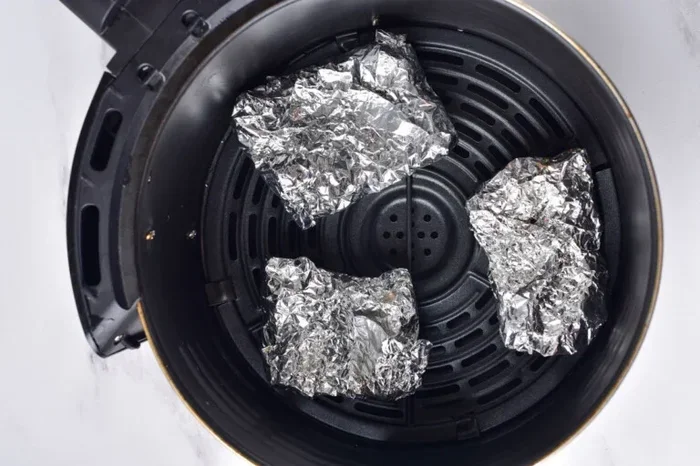
Featured image for foil in air fryer basket
Image source: thebigmansworld.com
Yes, you can put foil in the air fryer—but only when you do it correctly. Aluminum foil is safe when it doesn’t cover the air vents, isn’t touching the heating element, and has enough food on top to hold it in place. Improper use can block airflow, cause fires, or damage your machine. Follow the simple guidelines below to use foil like a pro and get crispier, cleaner results every time.
Imagine pulling golden, crispy chicken wings out of your air fryer—only to find cheese melted into every crack of the basket. We’ve all been there. That’s where aluminum foil comes in. It’s the secret trick that can save you scrubbing time and even improve your cooking. But there’s a right way and a wrong way to use it.
Air fryers work like tiny convection ovens. A fan pushes hot air around your food at high speed. Anything that blocks that air—foil, paper, or food piled too high—can mess with how your food cooks. The good news? When you understand how your air fryer breathes, using foil becomes super easy and totally safe.
In this guide, we’ll cover everything you need to know. You’ll learn when foil works, when it doesn’t, how to place it, and what mistakes to avoid. By the end, you’ll be using foil like a seasoned air fryer pro. Let’s dive in!
Key Takeaways
- Foil Is Safe When Used Properly: Aluminum foil won’t damage your air fryer as long as it doesn’t block airflow or touch the heating element.
- Never Cover the Vents: Air fryers need open airflow to cook food. Foil placed over vent holes can cause overheating, smoke, or even fires.
- Always Weigh Foil Down With Food: Lightweight foil can get sucked into the fan or lifted by hot air. Always place food on top to anchor it.
- Avoid Acidic Foods Directly on Foil: Tomatoes, lemons, and citrus can react with aluminum, giving food a metallic taste.
- Foil Helps With Cleanup: Lining the basket with foil traps grease and crumbs, making post-cooking cleanup much easier.
- Perforated Foil Works Best: Holes in foil allow air to circulate, giving you the crispy texture air fryers are famous for.
- Check Your Manual First: Most manufacturers allow foil but have specific brand-related rules. Always read your owner’s guide.
📑 Table of Contents
- The Quick Answer: Yes, But Follow the Rules
- How Air Fryers Work (And Why Foil Placement Matters)
- When You Should Use Foil in the Air Fryer
- When You Should NOT Use Foil in the Air Fryer
- How to Put Foil in the Air Fryer the Right Way
- Common Mistakes to Avoid with Air Fryer Foil
- Foil vs. Parchment Paper vs. Silicone Liners: What’s Best?
- What About Other Materials? A Quick Safety Guide
- Brand-Specific Foil Guidelines
- Expert Tips for Using Foil Like a Pro
- Troubleshooting: What If Something Goes Wrong?
- The Environmental Side of Foil Use
- Final Thoughts: Foil and Your Air Fryer Can Be Best Friends
The Quick Answer: Yes, But Follow the Rules
Most air fryer manufacturers say foil is okay to use. Brands like Ninja, Cosori, Philips, and PowerXL all allow it in their manuals. The trick is using it the right way. Think of foil like a tool in your kitchen—it works great when handled properly but can cause problems if you misuse it.
What the Experts Say
The U.S. Food and Drug Administration (FDA) considers aluminum foil safe for cooking when used correctly. Air fryer makers test their machines with foil in mind. As long as you don’t block airflow or let foil touch the heating element, you’re good to go.
Why People Love Using Foil
- Less mess: Grease and crumbs stay on the foil, not the basket.
- Easier cleanup: Just lift and toss the foil when you’re done.
- Prevents sticking: Foil acts like a nonstick surface, especially for cheese or fish.
- Better cooking: Foil can shield delicate foods from over-browning.
Did You Know? According to a 2023 survey by Statista, 65% of American households now own at least one air fryer, making it the fastest-growing kitchen appliance in the past decade.
How Air Fryers Work (And Why Foil Placement Matters)
To understand foil, you first need to understand your air fryer. Think of it like a hair dryer and a small oven combined. A heating coil at the top gets hot. A fan blows that hot air down and around your food. The hot air circulates, crisping everything from all sides.
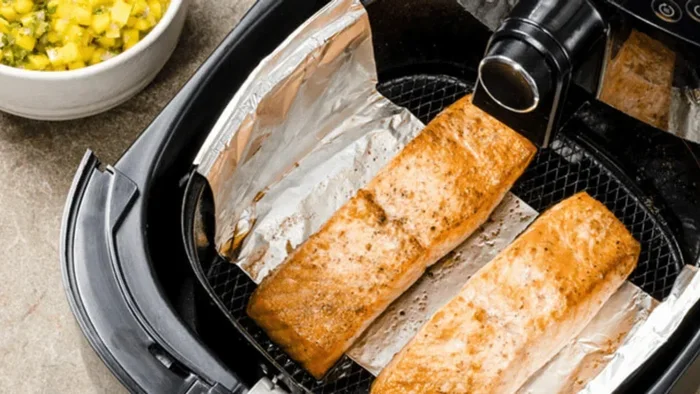
Visual guide about foil in air fryer basket
Image source: cdn.shopify.com
The Role of Airflow
Airflow is everything. Without it, your food steams instead of crisps. That’s why air fryer baskets have holes or mesh sides. These vents let air move freely. If you block those vents with foil, the hot air has nowhere to go. It can bounce back into the heating element, causing smoke or even damage.
What Happens When Foil Goes in the Wrong Place
- Blocks airflow: Your food won’t cook evenly.
- Touches heating element: Foil can melt, spark, or catch fire.
- Gets sucked into the fan: Loose foil can fly up and wrap around internal parts.
Think of it like this: if you put a blanket over a fan, the motor overheats. Your air fryer works the same way. Keep the vents clear, and you’ll be safe.
When You Should Use Foil in the Air Fryer
Foil isn’t just safe—it’s actually useful in many cooking situations. Let’s look at the best times to use it.
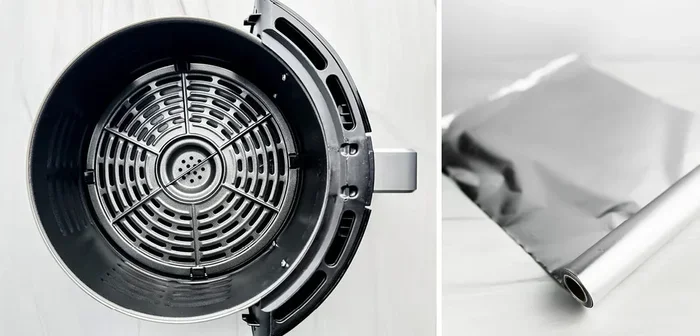
Visual guide about foil in air fryer basket
Image source: northernyum.com
1. To Catch Drippings and Cheese
Cooking cheesy foods? Foil is your best friend. Place it under things like stuffed peppers, lasagna bites, or mozzarella sticks. The cheese melts onto the foil, not the basket. When you’re done, just peel it off and toss it.
2. To Cook Delicate Foods
Fish, small vegetables, and herbs can fall through the basket holes. Foil acts like a net. Just make sure to poke a few holes in it so air still flows through.
3. To Prevent Sticking
Eggs, pancakes, and sticky marinated meats love foil. A light layer of foil with a spray of oil keeps food from bonding to the basket.
4. To Separate Different Foods
Cooking two things at once? Use foil as a divider. It keeps flavors from mixing. Just make sure each section has space for air to move around.
5. To Make Cleanup a Breeze
Let’s face it—air fryer baskets can be a pain to clean. A simple foil liner saves you from scrubbing baked-on grease. It’s like using a pan liner, but for hot air cooking.
Did You Know? The global air fryer market was valued at $1.1 billion in 2023 and is expected to grow by 7% each year through 2030, according to Grand View Research.
When You Should NOT Use Foil in the Air Fryer
Foil isn’t perfect for every situation. Here are the times to skip it.
1. When Covering All the Vents
This is the biggest no-no. If your foil covers all the holes on the basket or tray, air can’t circulate. Your food will be soggy, and your air fryer may overheat.
2. When Cooking Highly Acidic Foods
Tomatoes, lemons, vinegar-based sauces, and citrus can react with aluminum foil. This reaction can give food a metallic taste and may discolor the foil. For these foods, use parchment paper instead.
3. When the Foil Is Loose or Empty
If there’s no food on top of the foil, it can lift up. The fan might pull it into the heating element. Always weigh it down with food or poke holes and crimp the edges.
4. When Using Very High Temperatures
Most air fryers run between 350°F and 400°F. Foil is fine at these temps. But if your recipe calls for 425°F or higher, foil can become more fragile and risk tearing.
5. When Your Manual Says Not To
Some specific air fryer brands may restrict foil in certain models. When in doubt, check your owner’s manual. It only takes a minute.
How to Put Foil in the Air Fryer the Right Way
Now for the fun part—let’s walk through the exact steps to use foil safely. It’s easier than you think.
Step 1: Cut the Right Size
Measure your basket or tray first. Cut foil slightly smaller than the surface. You want foil that fits inside, not poking over the edges.
Step 2: Poke Holes
Use a fork or toothpick to poke several holes in the foil. This lets air pass through. Think of it like swiss cheese—but for your air fryer.
Step 3: Crimp the Edges
Fold the edges up slightly to make a shallow bowl shape. This helps the foil stay in place and catches drippings better.
Step 4: Add Food Right Away
Never preheat your air fryer with just foil inside. The air current can lift it up. Always place food on the foil before turning on the machine.
Step 5: Avoid the Heating Element
Keep the foil at least one inch away from the top heating element. Most air fryers have at least an inch of space, so this is usually easy.
Tip: If your air fryer has a wire rack on top of the basket, you can place foil on the rack for foods that need a flat surface, like cookies or small pastries.
Common Mistakes to Avoid with Air Fryer Foil
Even smart cooks make mistakes. Here are the most common foil errors—and how to avoid them.
Mistake 1: Lining the Entire Basket
Some people line every inch of the basket, covering all the holes. This blocks airflow. Instead, only cover the bottom and leave the sides exposed.
Mistake 2: Skipping the Holes
Solid foil without holes traps steam. Your food won’t get crispy. Always poke holes—aim for at least 5-6 holes for a standard basket.
Mistake 3: Using Foil with No Food on Top
Empty foil is dangerous. The fan can grab it and pull it into the heating coils. Always anchor it with food.
Mistake 4: Forgetting to Secure the Edges
Loose foil flaps can catch on the fan blades. Crimp or tuck the edges around the basket rim to lock it in place.
Mistake 5: Using Foil for Every Single Recipe
Foil is great, but not always needed. For foods that cook evenly on their own—like fries or chicken wings—skip the foil. Save it for messy or delicate items.
Mistake 6: Reusing Foil That’s Too Worn
If foil is wrinkled, torn, or full of holes from a previous cook, toss it. Old foil can tear mid-cook and cause problems.
Foil vs. Parchment Paper vs. Silicone Liners: What’s Best?
You’re not limited to foil. Let’s compare the three most popular air fryer liners.
Aluminum Foil
- Pros: Cheap, easy to find, great for high heat, helps with browning.
- Cons: Can block airflow if misused, reacts with acidic foods.
- Best for: Meats, cheese, fish, and savory dishes.
Parchment Paper
- Pros: Non-stick, no reaction with acidic foods, easy cleanup.
- Cons: Can’t handle extreme heat, can blow around if not weighted.
- Best for: Baked goods, acidic foods, and delicate items.
Silicone Liners
- Pros: Reusable, eco-friendly, perforated for airflow, dishwasher safe.
- Cons: More expensive upfront, not always available.
- Best for: Everyday use, especially for people who cook often.
Pro Tip: Many air fryer brands now sell perforated parchment liners with built-in holes. These combine the benefits of parchment and proper airflow.
What About Other Materials? A Quick Safety Guide
Beyond foil, you might wonder about other materials. Here’s a quick rundown.
Wax Paper
Don’t use it. Wax paper melts at high heat and can smoke or catch fire. Stick to parchment or foil.
Plastic Wrap or Bags
Never use these. Plastic melts in the air fryer and can release harmful chemicals. Always avoid plastic.
Regular Baking Paper
Solid baking paper can block airflow and even catch fire from the heating element. Only use parchment specifically designed for air fryers, which usually has holes.
Aluminum Trays and Pans
Small foil pans work well—just make sure they fit without touching the heating element and have holes punched in them if needed.
Did You Know? A study from the Environmental Protection Agency (EPA) found that home cooking fires have decreased by 12% since air fryers became popular—mostly because they use less oil and have built-in safety features.
Brand-Specific Foil Guidelines
Not all air fryers are the same. Here’s how the top brands handle foil.
Ninja Air Fryers
Ninja allows foil in most models. Their manuals recommend leaving space around the edges for airflow. For their dual-basket models, you can use foil in either basket as long as vents stay open.
Cosori Air Fryers
Cosori’s user guide explicitly allows foil. They suggest cutting it to fit the bottom of the basket and weighing it down with food.
Philips Air Fryers
Philips allows foil but recommends using their branded accessories. Their rapid air technology needs clear vents to work properly.
PowerXL Air Fryers
PowerXL states that foil is fine as long as it doesn’t touch the heating element or block air vents.
Instant Vortex
Instant Brands allows foil but warns against using it at temperatures above 400°F.
General Rule
If you own a brand not listed here, just follow the basic rules: don’t block vents, don’t let it touch the heating element, and always weigh it down with food.
Expert Tips for Using Foil Like a Pro
Ready to take your foil game to the next level? Here are some insider tricks.
Tip 1: Use Heavy-Duty Foil
Regular foil tears easily. Heavy-duty foil is thicker and holds up better, especially for juicy or heavy foods.
Tip 2: Lightly Grease the Foil
A quick spray of cooking oil on foil prevents sticking. This works great for eggs and cheese.
Tip 3: Fold Foil Into Custom Shapes
Need a divider? Fold foil into an L-shape or wall. It works like a barrier to keep foods separate.
Tip 4: Use Foil Boats for Sauces
Want to cook chicken in sauce? Shape foil into a small bowl. The sauce stays contained, and cleanup is simple.
Tip 5: Save and Reuse Foil
After cooking, let the foil cool. If it’s not too messy, rinse and reuse it for your next cook. It’s eco-friendly and saves money.
Tip 6: Pair with a Wire Rack
Place foil on the wire rack insert. This creates a flat cooking surface while keeping airflow strong underneath.
Troubleshooting: What If Something Goes Wrong?
Even with the best planning, things can happen. Here’s what to do if you run into problems.
If You See Smoke
Turn off the air fryer right away. Open it carefully. Smoke usually means food drippings hit the heating element or foil is touching it. Remove the foil and clean the basket.
If Foil Blows Around
This means you didn’t secure it well. Next time, crimp the edges tightly or use heavier foil. Always make sure food covers the foil completely.
If Food Is Soggy
You probably blocked too many air vents. Remove the foil and try again with more holes or smaller foil coverage.
If Food Tastes Metallic
Stop using foil with acidic foods. Switch to parchment paper for tomatoes, citrus, and vinegar-based recipes.
If Foil Gets Stuck to Food
You may not have used enough oil. Next time, spray the foil with cooking spray before adding food. This creates a non-stick layer.
The Environmental Side of Foil Use
Foil is convenient, but what about the planet? Let’s talk sustainability.
Recyclability
Aluminum foil is 100% recyclable—if it’s clean. Rinse off grease and food bits, then toss it in your recycling bin. According to the Aluminum Association, recycling aluminum uses 95% less energy than making new foil.
Reducing Waste
Reuse foil when you can. Many people use the same foil 2-3 times before recycling. It’s a small step that reduces waste.
Eco-Friendly Alternatives
If you want to cut down on foil, try silicone liners. They last for years and replace hundreds of sheets of foil. While they cost more upfront, they save money over time.
Did You Know? If every American household reused aluminum foil just once before recycling, it would save enough energy to power 1.5 million homes for a year.
Final Thoughts: Foil and Your Air Fryer Can Be Best Friends
Aluminum foil and air fryers go hand in hand—when used the right way. Keep vents clear, weigh the foil down, and avoid acidic foods on bare foil. That’s it. You’re now ready to enjoy easier cleanup, better cooking, and less mess.
Think of foil as a helpful assistant in your kitchen. It’s not required for every recipe, but it makes life easier when you need it. From cheesy snacks to juicy meats, foil can elevate your air fryer game.
Still have questions? Check out the FAQ section below for quick answers to common concerns. And remember—when in doubt, always read your air fryer’s manual. Every model is a little different, but most follow the same basic rules.
Happy air frying! With these tips, you’ll be cooking smarter, cleaning less, and enjoying every crispy bite.
Frequently Asked Questions
Can you put aluminum foil in an air fryer?
Yes, you can put aluminum foil in an air fryer. Just make sure it doesn’t cover the air vents or touch the heating element. Always place food on top of the foil to keep it in place during cooking.
Is it safe to line the air fryer basket with foil?
Yes, it’s safe as long as you leave space for air to circulate. Cover only the bottom of the basket and poke a few holes in the foil for proper airflow. Never line the entire basket or cover the side vents.
Can foil catch fire in an air fryer?
Foil can catch fire if it touches the heating element or blocks airflow completely. To prevent this, keep foil at least one inch away from the heating element and always weigh it down with food.
Should I use foil or parchment paper in my air fryer?
Both work well, but they serve different purposes. Foil is great for high-heat cooking and browning. Parchment is better for acidic foods like tomatoes and citrus. Choose based on your recipe.
Can I put foil-wrapped food in the air fryer?
Yes, you can cook foil-wrapped food in the air fryer. This method works great for potatoes, vegetables, and fish. Just make sure the package isn’t sealed too tightly—air still needs to circulate around it.
Does using foil affect cooking time in an air fryer?
Foil can slightly increase cooking time because it may reduce direct airflow. To compensate, add an extra minute or two to your cooking time and check your food for doneness. Always poke holes in the foil to maintain proper heat circulation.