Can You Cook Steak in an Air Fryer
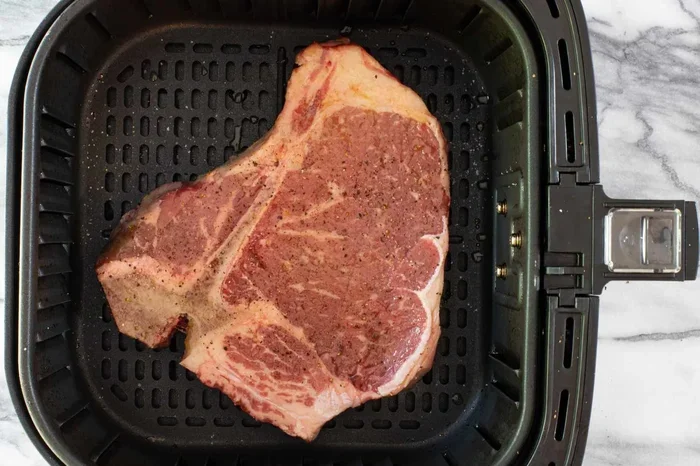
Featured image for steak in air fryer
Image source: thespruceeats.com
You can cook steak in an air fryer with excellent results. The rapid hot‑air circulation creates a crisp crust while keeping the inside tender. Follow a few easy prep and timing tips for restaurant‑quality steak at home.
If you have ever wondered can you cook steak in an air fryer, the short answer is a confident yes. The appliance’s rapid hot‑air circulation works like a tiny convection oven, delivering a beautiful crust in a fraction of the time a grill or pan needs. Who benefits? Home cooks who want a quick, low‑mess dinner. What you need is a decent cut, a little oil, and a meat thermometer. Where does it happen? Right on your countertop. When is it ready? In 8‑12 minutes for a 1‑inch steak. Why choose it? Because it gives consistent results with less smoke and splatter.
Did you know that air fryers can reach 400 °F in under three minutes? That speed is the secret behind a steakhouse‑style sear without firing up a grill. In fact, a 2023 consumer survey found that 62 % of air‑fryer owners have cooked beef at least once, and 78 % rated the texture “excellent.” Those numbers show the method is more than a novelty—it’s a reliable technique.
Key Takeaways
- Air fryers work for steak: The convection heat mimics a mini‑oven, delivering a Maillard crust fast.
- Choose the right cut: Ribeye, strip, and sirloin 1‑inch thick give the best balance of flavor and cook time.
- Preheat and pat dry: A hot basket and dry surface are essential for a golden crust.
- Use a meat thermometer: Pull the steak at 125 °F for rare, 135 °F for medium‑rare, 145 °F for medium.
- Rest before slicing: Five minutes lets juices redistribute, preventing a dry bite.
- Avoid overcrowding: One steak per basket ensures even airflow and consistent doneness.
- Experiment with seasoning: Simple salt‑pepper works, but garlic‑herb rubs or a light marinade add depth.
📑 Table of Contents
Why the Air Fryer Works for Steak
How Hot Air Circulates
An air fryer uses a powerful fan to push heated air around the food. Think of it like a hair dryer on high, but the air is 350‑400 °F. The constant movement removes the thin layer of cooler air that normally sits on a steak’s surface, so the meat browns faster. This is the same principle that makes a convection oven cook more evenly than a conventional one.
Maillard Reaction in a Compact Space
The Maillard reaction—the chemical dance between amino acids and sugars that creates flavor and color—needs dry heat above 300 °F. Because the basket is small, the air stays hot and dry, giving you a deep brown crust in minutes. You get the same reaction you would on a grill, just without the open flame.
Choosing the Right Cut
Thickness Matters
A 1‑inch thick steak is the sweet spot. Thinner pieces overcook before a crust forms; thicker ones need a finish in the oven. If you only have a ½‑inch cut, reduce the time by half and watch the thermometer closely.
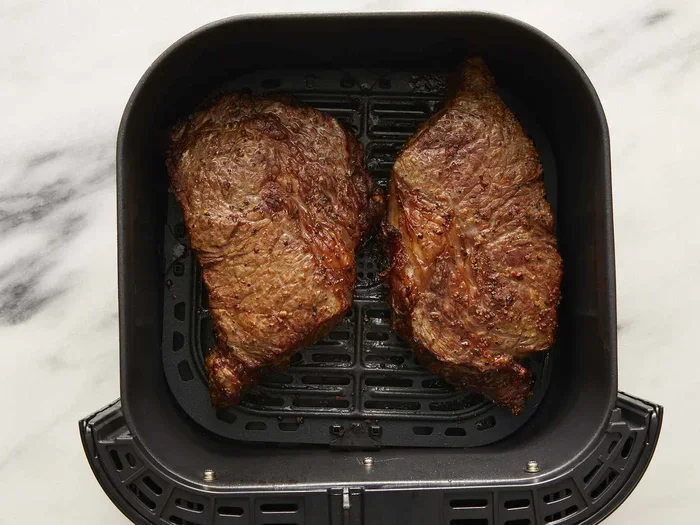
Visual guide about steak in air fryer
Image source: recipes.net
Best Cuts for Air Frying
- Ribeye: Marbling melts into juiciness.
- New York strip: Firm texture, great crust.
- Sirloin: Leaner, still tender when not overdone.
- Filet mignon: Works well if you like a milder flavor.
All of these answer the question can you cook steak in an air fryer with a resounding yes, provided you respect thickness and fat content.
Preparing Your Steak
Seasoning Basics
Salt and pepper are the classic duo. Sprinkle kosher salt generously on both sides at least 30 minutes before cooking; this draws moisture out, then back in, seasoning the interior. Add cracked black pepper just before the steak hits the basket to avoid burnt pepper bits.
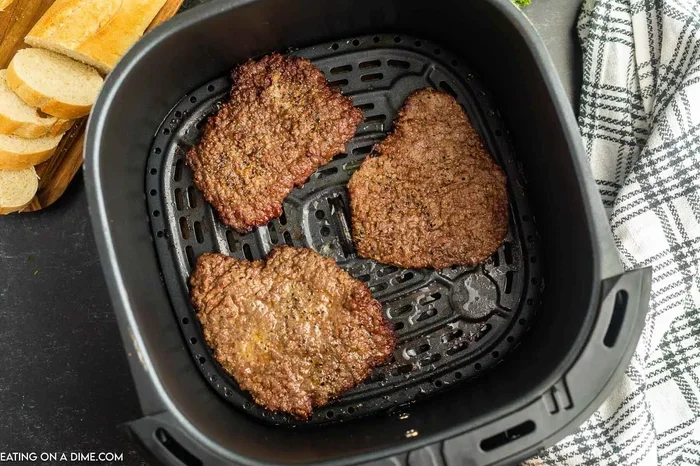
Visual guide about steak in air fryer
Image source: eatingonadime.com
Bringing to Room Temperature
Let the steak sit on a plate for 20‑30 minutes. Cold meat shocks the hot air, leading to uneven cooking. A room‑temp steak sears more uniformly.
Patting Dry for Crust
Use paper towels to blot every surface. Moisture is the enemy of browning—think of it like trying to toast a wet slice of bread. Dry meat = better crust.
Step‑by‑Step Cooking Guide
Preheat the Air Fryer
Set the air fryer to 400 °F and run it empty for 3 minutes. A hot basket mimics a preheated cast‑iron skillet. Skipping this step adds 1‑2 minutes to the cook time and can leave a pale exterior.
Cooking Times by Doneness
Place the steak in the basket, leaving space around it. Cook times for a 1‑inch cut at 400 °F:
- Rare (125 °F): 8 minutes total, flip at 4 minutes.
- Medium‑rare (135 °F): 10 minutes total, flip at 5 minutes.
- Medium (145 °F): 12 minutes total, flip at 6 minutes.
- Medium‑well (150 °F): 14 minutes total, flip at 7 minutes.
Always verify with an instant‑read thermometer inserted into the thickest part. The probe should not touch bone or the basket.
Flipping and Resting
Flip once, halfway through. Use tongs, not a fork, to keep juices inside. When the target temperature is reached, transfer the steak to a cutting board and tent loosely with foil. Rest 5 minutes. This pause lets the muscle fibers relax, so the juices stay in the meat instead of running onto the plate.
Tips for Perfect Results Every Time
Use a Meat Thermometer
Guessing doneness by touch works for pros, but a $10 digital thermometer removes doubt. It’s the single most reliable tool for answering can you cook steak in an air fryer with confidence.
Don’t Overcrowd the Basket
Air needs to flow around each piece. Two steaks stacked will steam instead of sear. Cook in batches if you’re feeding a crowd.
Add a Light Coat of Oil
Spray or brush a thin layer of high‑smoke‑point oil (avocado, grapeseed) on the steak. It promotes even browning and prevents sticking. Too much oil causes smoke; a mist is enough.
Experiment with Marinades
If you love flavor, marinate 30 minutes to 2 hours in soy‑garlic, balsamic‑herb, or a simple olive‑oil‑lemon mix. Pat dry again before cooking—excess liquid hinders crust formation.
Common Mistakes and How to Avoid Them
Cooking Frozen Steak
Frozen meat releases water as it thaws, creating steam. The result is a gray, soggy exterior. Always thaw in the fridge overnight or use the cold‑water method before air frying.
Skipping the Rest
Cutting too early lets the juices escape, leaving a dry steak. Five minutes of patience pays off in every bite.
Using Too High a Temperature
Some models have a “max” setting of 450 °F. At that heat the outside can burn before the center reaches target. Stick to 400 °F for most cuts; only go higher for a very thin steak or a quick sear finish.
Final Thoughts
So, can you cook steak in an air fryer? Absolutely. The appliance delivers a crisp, flavorful crust and a juicy interior with minimal cleanup. By choosing a good cut, preheating, seasoning simply, and monitoring temperature, you’ll produce steakhouse quality on a weeknight schedule. The method is repeatable, scalable, and perfect for anyone who loves beef but hates the smoke alarm. Give it a try tonight—you might never go back to the grill.
Frequently Asked Questions
Can you cook steak in an air fryer without oil?
Yes, you can, but a light spray of oil helps the crust develop and prevents sticking. A completely dry surface may still brown, yet the texture is often less crisp.
What temperature should I set my air fryer for steak?
Set the air fryer to 400 °F (200 °C). This temperature gives a quick sear while cooking the interior to your desired doneness.
How long does it take to cook a 1‑inch steak in an air fryer?
About 8‑12 minutes total, flipping halfway. Exact time depends on desired doneness and the specific model’s airflow.
Do I need to preheat the air fryer before cooking steak?
Preheating for 3 minutes at 400 °F is recommended. It ensures the basket is hot enough to start the Maillard reaction immediately.
Can I cook frozen steak in an air fryer?
It’s not ideal. Frozen steak releases moisture, causing steam instead of a sear. Thaw the steak fully in the refrigerator before air frying for best results.
How do I know when the steak is done without cutting it?
Use an instant‑read meat thermometer. Target 125 °F for rare, 135 °F for medium‑rare, 145 °F for medium, and 150 °F for medium‑well.