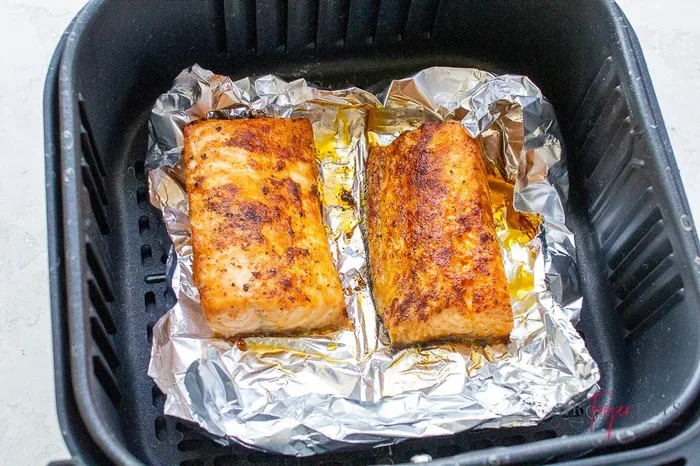
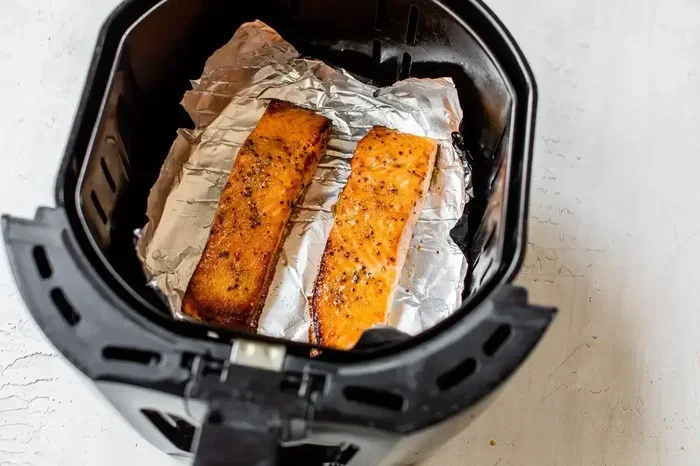
Can Aluminum Foil Go in the Air Fryer
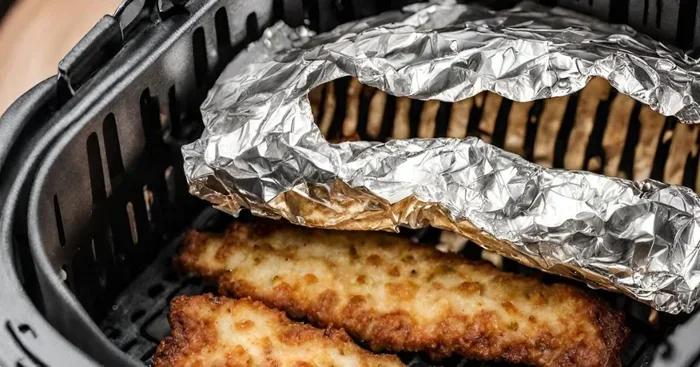
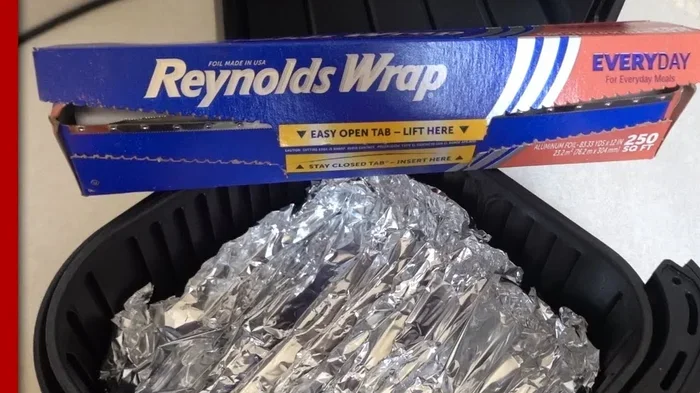
Featured image for aluminum foil air fryer basket
Image source: thebubblychef.com
Yes, aluminum foil can safely go in your air fryer when used correctly — it’s a game-changer for easy cleanup and cooking delicate foods. Just remember the golden rules: never cover the entire basket bottom, always weigh it down with food, and avoid acidic ingredients that can react with the metal.
You’re standing in your kitchen, air fryer humming away, and suddenly wonder — can I line this basket with foil to catch the drippings from these salmon fillets? You’re not alone. This question pops up in air fryer forums daily, and the answer comes with a few important caveats that could save your dinner — and your appliance.
Here’s the short version: yes, aluminum foil works beautifully in most air fryers. But like any kitchen hack, there’s a right way and a wrong way to do it. Get it wrong, and you’ll end up with unevenly cooked food, a damaged heating element, or worse — a kitchen fire. Get it right, and you’ve unlocked one of the most versatile tools in your air fryer arsenal.
Key Takeaways
- Aluminum foil is air fryer safe: Unlike microwaves, air fryers use convection heat, making foil perfectly safe when used properly.
- Airflow is everything: Never block the entire basket bottom — your air fryer needs circulation to cook evenly and prevent overheating.
- Weight it down: Loose foil can fly into the heating element and cause a fire hazard; always secure it with food.
- Skip acidic foods: Tomatoes, citrus, and vinegar-based marinades react with aluminum, creating off-flavors and potential pitting.
- Parchment paper is a great alternative: For acidic foods or maximum airflow, perforated parchment liners work beautifully without the reactivity concerns.
- Cleanup hack: Foil packets create steam pockets for tender veggies and fish while keeping your basket spotless.
- Check your manual first: Some manufacturers (like certain Ninja models) explicitly advise against foil — always verify your specific model’s guidelines.
📑 Table of Contents
- The Science Behind Why Foil Works in Air Fryers (But Not Microwaves)
- Golden Rules for Safe Foil Usage
- When Foil Shines: Best Use Cases
- When to Skip the Foil: Better Alternatives
- Model-Specific Considerations
- Creative Foil Hacks for Air Fryer Pros
- Cleanup and Maintenance: Protecting Your Investment
- Troubleshooting Common Foil Problems
- Environmental Considerations
- Expert Tips from Professional Test Kitchens
- Quick Reference: Foil Decision Matrix
- Conclusion: Foil Is Your Friend — With Boundaries
The Science Behind Why Foil Works in Air Fryers (But Not Microwaves)
Let’s clear up the biggest misconception right away. You’ve probably heard “never put metal in the microwave” since childhood. That rule exists because microwaves use electromagnetic radiation that causes electrons in metal to vibrate violently, creating sparks and potential fires. Air fryers work completely differently.
Convection Heat vs. Microwave Radiation
Think of your air fryer as a tiny, super-charged convection oven. A powerful fan circulates hot air around your food at high speeds — typically 300-400°F. This is convection heat transfer, the same principle your full-size oven uses. Aluminum foil handles convection heat beautifully because it’s an excellent heat conductor. It actually helps distribute heat more evenly across whatever’s sitting on top of it.
Did you know? Aluminum foil melts at 1,220°F (660°C). Your air fryer maxes out around 400-450°F. You’d need nearly triple your air fryer’s maximum temperature to melt foil — so melting isn’t a concern.
Why Airflow Matters More Than Heat
Here’s where things get tricky. Your air fryer’s superpower is that furious fan creating a tornado of hot air. Block that airflow, and you lose the “air fry” effect entirely. You essentially turn your air fryer into a weak toaster oven.
Imagine trying to dry your hair with a blow dryer while holding a cardboard sheet over the vent. The air has nowhere to go. Same principle applies — your food needs that circulating air to crisp up properly.
Golden Rules for Safe Foil Usage
Rule #1: Never Cover the Entire Basket Bottom
This is the number one mistake beginners make. Lining the entire basket with a solid sheet of foil creates an air dam. The fan can’t pull air through, heat builds up unevenly, and your food steams instead of crisps. Worse, restricted airflow can cause your air fryer to overheat and trigger safety shutoffs — or damage the heating element over time.
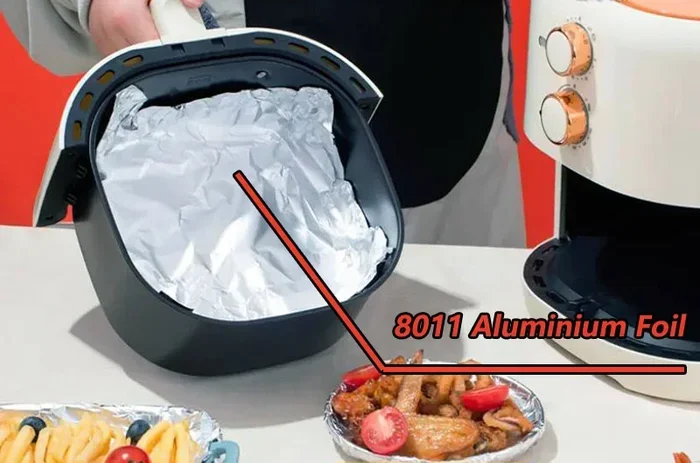
Visual guide about aluminum foil air fryer basket
Image source: alu-sheet-coil.com
Pro tip: Cut foil to fit only the area directly under your food, leaving at least 1-2 inches of exposed basket perimeter for air circulation. Think of it as a custom placemat for each piece of food, not wall-to-wall carpeting.
Rule #2: Always Weigh It Down
Air fryer fans are surprisingly powerful — some move 30-40 cubic feet of air per minute. A loose sheet of foil becomes a dangerous projectile in that windstorm. It can wrap around the heating element, block the fan, or even get sucked into the motor housing.
Always place food on top of the foil before turning on the appliance. The food acts as an anchor. If you’re preheating, skip the foil entirely and add it with your food.
Rule #3: Don’t Let Foil Touch the Heating Element
Most air fryers have the heating element directly above the basket, often just 1-2 inches from the top of your food. Foil that extends up the basket sides can make contact during cooking as it shifts slightly from air pressure. This creates hot spots, potential arcing, and can damage the element’s protective coating.
Keep foil flat on the basket bottom only — no tenting, no sides folded up.
Rule #4: Avoid Acidic and Salty Foods
This surprises many home cooks. Aluminum is reactive — when it contacts acidic ingredients (tomatoes, lemon juice, vinegar, wine-based marinades) or very salty foods, a chemical reaction occurs. Tiny amounts of aluminum can leach into food, creating a metallic taste. The foil itself can develop tiny pits and holes.
Did you know? The World Health Organization estimates adults can safely consume up to 50mg of aluminum daily from all sources. Cooking acidic foods in foil can contribute 1-5mg per serving — not dangerous for most people, but noticeable in flavor.
For tomato-based dishes, citrus-marinated proteins, or heavily salted items, switch to parchment paper or a silicone liner instead.
When Foil Shines: Best Use Cases
Sticky, Drippy, or Delicate Foods
Foil excels when cooking foods that would otherwise create a cleaning nightmare or fall apart during flipping. Think:
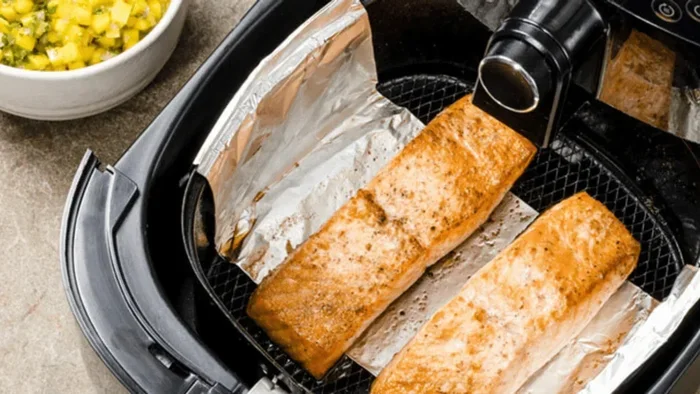
Visual guide about aluminum foil air fryer basket
Image source: cdn.shopify.com
- Honey-glazed salmon or teriyaki chicken — the sugars burn onto the basket mesh
- Breaded fish fillets that might stick and tear when you try to flip them
- Bacon — the grease catches in foil instead of splattering everywhere
- Cheese-topped dishes like stuffed peppers or chicken parmesan
For these foods, foil isn’t just convenient — it preserves the food’s integrity. A delicate tilapia fillet stays intact when you can lift the whole foil packet out instead of wrestling with tongs.
Foil Packets: The Steam-and-Crisp Technique
Here’s a technique that changes the game for vegetables and fish. Create a loose foil packet (fold edges to seal but leave some air space inside), place it in the basket, and air fry. The packet traps steam, cooking the interior gently, while the exterior gets blasted by hot air for texture.
Try this with asparagus: toss with olive oil, garlic, lemon zest (added after cooking), salt, and pepper. Seal in a foil packet. Air fry at 380°F for 8-10 minutes. Open carefully — steam burns are real — and finish with fresh lemon juice. You get tender-crisp asparagus with zero cleanup.
Small or Loose Items That Fall Through the Basket
French fries, tater tots, and chicken wings usually have enough structure to sit on the basket mesh. But try air frying cherry tomatoes, brussels sprout halves, or diced potatoes — they’ll slip through the gaps. A foil liner with a few strategic slits (for drainage and airflow) solves this perfectly.
When to Skip the Foil: Better Alternatives
Perforated Parchment Paper Liners
These are purpose-made for air fryers — round or square sheets with pre-cut holes that match your basket’s airflow pattern. They offer non-stick performance without blocking circulation, and they’re completely non-reactive with acidic foods.
Did you know? A 2022 Consumer Reports test found that perforated parchment liners reduced cleanup time by 73% compared to bare baskets, while maintaining 95% of the crisping performance.
Silicone Liners and Mats
Reusable, dishwasher-safe, and heat-resistant to 450°F+. Silicone liners are the eco-friendly choice for frequent air fryer users. They’re heavier than foil or parchment, so they stay put without food weighing them down. The tradeoff: they can slightly reduce crisping on the bottom of foods since they’re thicker and less conductive.
Bare Basket — Sometimes It’s Best
For foods that need maximum crispiness — french fries, chicken wings, breaded cutlets — nothing beats direct contact with the basket mesh. The air hits all 360 degrees. Foil or liners create a micro-barrier that can leave the bottom slightly less crisp.
If cleanup is your concern, soak the basket in hot, soapy water for 10 minutes while you eat. Most air fryer baskets are non-stick coated and clean up surprisingly easily with a soft sponge.
Model-Specific Considerations
Basket-Style Air Fryers (Cosori, Ninja, Instant Pot, Philips)
These are the most common and generally foil-friendly. The pull-out basket design makes it easy to check foil placement. Just follow the golden rules above.
Air Fryer Ovens / Toaster Oven Hybrids (Breville, Cuisinart, Ninja Foodi XL)
These have multiple rack positions and larger cavities. Foil works on the wire racks, but be extra careful about foil touching heating elements — they’re often closer and more exposed. Many manufacturers include a drip tray; use foil on the drip tray, not the rack itself, for catching drips.
Paddle-Style Air Fryers (Tefal ActiFry, some DeLonghi models)
Do not use foil in paddle-style air fryers. The rotating paddle will shred foil instantly, creating metal fragments in your food and potentially damaging the paddle mechanism. These units are designed for paddle-only cooking.
Check Your Manual — Seriously
Some manufacturers explicitly prohibit foil. Ninja’s newer dual-basket models, for example, have warnings against foil in certain cooking modes. Philips generally allows it but specifies “don’t cover the basket bottom completely.” A 2-minute manual check saves hours of potential headaches.
Creative Foil Hacks for Air Fryer Pros
The “Sling” Method for Delicate Items
Cut a strip of foil about 2 inches wide and long enough to extend over the basket edges on both sides. Place food in the center. The overhanging edges become handles — lift the whole sling out when done. Perfect for flaky fish, stuffed avocados, or anything fragile.
Custom Dividers for Multi-Food Cooking
Want salmon and asparagus at the same time but different doneness? Fold a foil wall down the basket center, creating two compartments. The salmon side gets 10 minutes; the asparagus side gets 6. Remove the asparagus, fold down the divider, finish the salmon. One basket, two perfect results.
Foil “Cups” for Eggs and Batters
Mold foil into small cups (like muffin tin liners) for individual egg bites, mini frittatas, or even small portions of mac and cheese. The foil holds the shape, conducts heat evenly, and pops out cleanly. Spray with oil first for easy release.
The “Tent” for Preventing Over-Browning
If your chicken breast is perfectly cooked inside but the top is getting too dark, loosely tent a piece of foil over just the top (not touching the heating element!). This deflects direct heat while letting air circulate underneath. Restaurant chefs do this with roasts — same principle, miniature scale.
Cleanup and Maintenance: Protecting Your Investment
The Foil Residue Issue
Even with foil, grease and food particles can sneak underneath, especially if you’re cooking fatty meats. Always check the basket bottom after foil cooking. A quick wipe prevents buildup that can smoke during your next use.
Non-Stick Coating Care
Most air fryer baskets have PTFE (Teflon) or ceramic non-stick coatings. Foil is generally safe for these, but avoid crinkled foil with sharp edges that could scratch. Smooth, flat pieces only. If your coating is already scratched or peeling, foil can actually help by creating a barrier — but consider replacing the basket for food safety.
Dishwasher vs. Hand Wash
Even “dishwasher safe” baskets last longer with hand washing. Harsh dishwasher detergents degrade non-stick coatings over time. A 30-second soak and gentle scrub preserves your basket for years.
Troubleshooting Common Foil Problems
Food Not Crisping on Bottom
Cause: Foil blocking airflow or too much food crowding the surface.
Fix: Cut foil smaller, use perforated parchment instead, or cook in smaller batches.
Foil Blowing Around
Cause: Not enough food weight or fan speed too high.
Fix: Add food before turning on, lower fan speed if your model allows, or switch to heavier silicone liner.
Metallic Taste in Food
Cause: Acidic ingredients reacting with aluminum.
Fix: Switch to parchment or silicone for that recipe. Add acidic components (lemon juice, tomato sauce) after cooking.
Uneven Cooking
Cause: Foil creating hot/cold spots by disrupting airflow pattern.
Fix: Ensure foil is flat, not wrinkled. Leave perimeter gaps. Rotate food halfway through.
Environmental Considerations
Aluminum foil is recyclable — but only if clean. Food-contaminated foil often ends up in landfill because recycling facilities can’t process greasy materials. If you use foil frequently, consider:
- Wiping foil clean and recycling where accepted
- Switching to reusable silicone liners for everyday use
- Saving foil for truly messy cooks (bacon, glazed meats) only
Did you know? Americans throw away about 3 pounds of aluminum foil per person annually. Recycling just one aluminum can saves enough energy to run a TV for 3 hours — foil recycling has similar impact.
Expert Tips from Professional Test Kitchens
America’s Test Kitchen Recommendation
ATK’s air fryer testing team recommends foil primarily for “sticky, drippy, or delicate foods” and suggests cutting foil to fit the food, not the basket. They note that for breaded items, a light spray of oil on the foil prevents sticking better than bare foil.
Serious Eats’ Take
J. Kenji López-Alt’s testing found that foil can actually improve results for certain proteins by creating a more even heat distribution underneath — but only when airflow isn’t compromised. His rule: “If you can’t see the basket holes through the foil, you’ve used too much.”
Consumer Reports’ Safety Note
CR emphasizes the fire risk of loose foil contacting heating elements. Their test engineers always weigh foil down and recommend against foil for high-fat foods that might cause flare-ups (bacon, sausage) — the rendered fat can superheat on foil and ignite.
Quick Reference: Foil Decision Matrix
Use this mental checklist before reaching for the foil roll:
- Is my air fryer a paddle style? → NO FOIL
- Does my manual prohibit it? → NO FOIL
- Am I cooking acidic food (tomatoes, citrus, vinegar)? → USE PARCHMENT INSTEAD
- Is the food delicate, sticky, or drippy? → FOIL OK
- Do I need maximum crisp on all sides? → SKIP FOIL
- Are items small enough to fall through basket? → FOIL WITH SLITS OK
- Am I preheating? → ADD FOIL WITH FOOD, NOT DURING PREHEAT
Conclusion: Foil Is Your Friend — With Boundaries
Aluminum foil in the air fryer isn’t just safe — it’s a strategic tool that expands what you can cook and how easily you clean up. The key is respecting the physics: your air fryer lives and dies by airflow. Foil that respects that airflow (small pieces, weighed down, perimeter gaps) enhances your cooking. Foil that fights the airflow (full coverage, loose sheets, touching elements) creates problems.
Start conservative. Try a small foil piece under a single salmon fillet or a handful of asparagus. Notice how it cooks, how it cleans up, how the texture compares to bare basket. Build your intuition from there. Within a few uses, you’ll instinctively know when foil helps and when it hinders.
And remember — the best air fryer accessory isn’t foil, parchment, or silicone. It’s understanding why your air fryer works the way it does. Master the airflow, and every tool becomes an option, not a crutch.
Now go make something delicious. That salmon isn’t going to cook itself.
Frequently Asked Questions
Can you put aluminum foil in an air fryer?
Yes, aluminum foil is safe in most air fryers when used correctly. Unlike microwaves, air fryers use convection heat which foil handles well. Always check your specific model’s manual first, as some manufacturers prohibit foil use.
Does aluminum foil block air flow in an air fryer?
Yes, foil can block airflow if it covers the entire basket bottom or covers the perforated holes. This prevents proper air circulation, leading to uneven cooking and potential overheating. Always leave at least 1-2 inches of exposed basket around the edges.
Can you put foil in an air fryer with acidic foods like tomatoes?
Avoid using foil with acidic foods (tomatoes, citrus, vinegar marinades) as the acid reacts with aluminum, causing a metallic taste and potential pitting of the foil. Use perforated parchment paper or silicone liners for acidic dishes instead.
Why does my foil fly around in the air fryer?
The air fryer’s powerful fan creates strong air circulation that can lift unsecured foil. Always weigh foil down with food before turning on the appliance. Never preheat with loose foil in the basket.
Is parchment paper better than foil for air fryers?
Perforated parchment paper is often better for acidic foods and maximum airflow since it’s non-reactive and pre-cut with holes matching your basket. Foil is better for sticky, drippy foods and creating custom packets. Both have their place.
Can foil damage my air fryer’s non-stick coating?
Smooth, flat foil generally won’t damage non-stick coatings. However, crinkled foil with sharp edges can scratch PTFE or ceramic coatings over time. Use flat pieces only, and consider silicone liners if your coating is already damaged.