Can You Use Foil in an Air Fryer
Featured image for aluminum foil in air fryer
Image source: i.ytimg.com
Yes, you can use foil in an air fryer when you follow a few simple rules. Keep the foil away from the heating element, allow air to circulate, and never cover the entire basket. This guide explains the why, how, and when so you get crispy results without damaging your appliance.
If you have ever stared at a roll of aluminum foil and wondered can you use foil in an air fryer, you are not alone. The short answer is yes, but only when you respect the way an air fryer moves hot air. Think of the air fryer like a tiny convection oven that relies on a powerful fan to circulate heat. Anything that blocks that fan can cause uneven cooking or even a fire hazard.
In this guide we break down the science, the safety rules, and the practical tips that let you harness foil for easier cleanup, better texture, and more versatile recipes. Whether you are a beginner or a seasoned home cook, you will leave with a clear checklist you can tape to your fridge.
Key Takeaways
- Safety first: Foil must not touch the heating coil or block airflow.
- Partial coverage works best: Line only the bottom or wrap individual foods.
- Use heavy‑duty foil: Thin sheets can tear and create hot spots.
- Preheat with foil in place: This prevents the foil from blowing around.
- Check manufacturer guidelines: Some brands explicitly forbid foil.
- Clean up is easier: Foil catches drips and reduces scrubbing.
- Experiment with parchment: Parchment paper is a foil‑free alternative for delicate items.
📑 Table of Contents
Why the Question Matters
Understanding Air Fryer Airflow
An air fryer works by pulling air through a heating element and then pushing it around the food at high speed. This rapid circulation creates the crisp exterior we love. When you ask can you use foil in an air fryer, you are really asking whether a thin metal sheet will disrupt that circulation. The answer hinges on two factors: distance from the heating coil and the amount of surface area you cover.
Manufacturer Warnings
Most major brands — Ninja, Cosori, Philips, and Instant Pot — include a line in the manual about foil. Some say “do not use foil” while others say “use with caution.” The discrepancy exists because testing standards differ. A 2022 Consumer Reports survey found that 68 % of owners have tried foil at least once, yet only 42 % read the manual first. Knowing your specific model’s stance saves you from voiding a warranty.
When Foil Is a Good Idea
Catch Drips and Reduce Mess
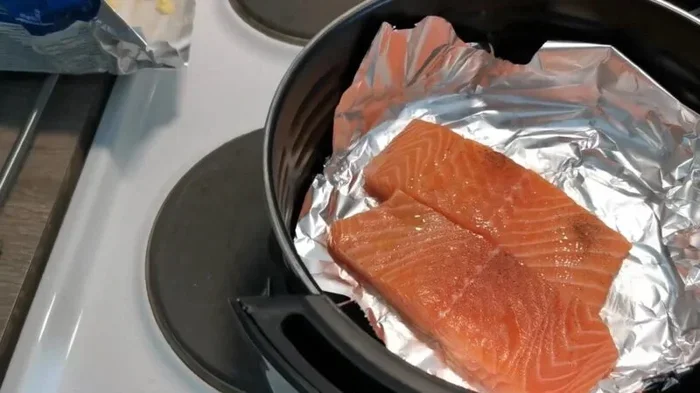
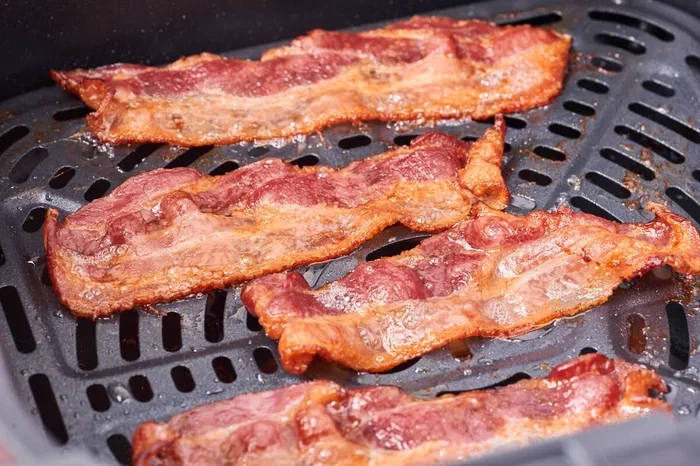
One of the biggest wins for foil is cleanup. Line the bottom of the basket with a single sheet, and grease from bacon, marinated chicken, or cheesy vegetables lands on the foil instead of the non‑stick coating. After cooking, you simply lift the foil and toss it. This trick works especially well for high‑fat foods that tend to splatter.
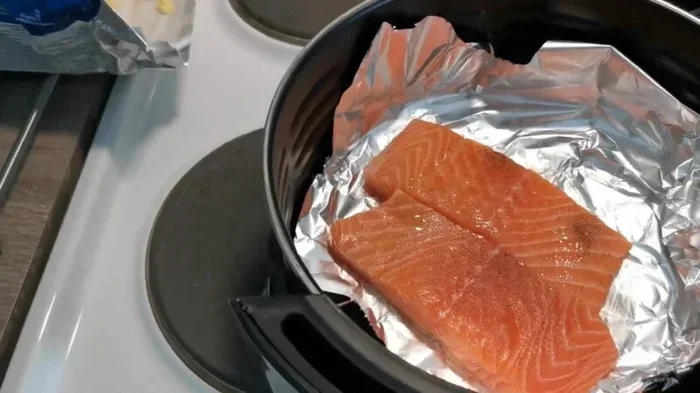
Visual guide about aluminum foil in air fryer
Image source: restaurantsu.com
Create a Makeshift Pan
If you want to bake a small cake, make a frittata, or roast a handful of nuts, you can fold foil into a shallow “pan.” The foil holds the batter or nuts together while still letting hot air reach the top. Imagine a tiny baking dish that you can shape to fit any basket — that is the power of a foil packet.
Protect Delicate Items
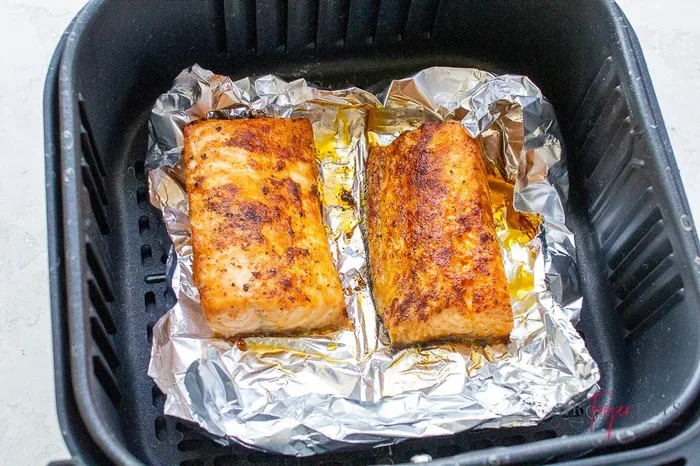
Fish fillets, thin asparagus, or stuffed mushrooms can fall apart when the fan blasts them. A loose foil tent shields the food from direct wind while still allowing heat to penetrate. The result is moist, evenly cooked protein without the risk of it breaking apart.
When Foil Becomes a Problem
Blocking the Fan
Covering the entire basket with foil is the number one mistake. The fan cannot push air through a solid metal sheet, so the heating element overheats and the food steams instead of crisps. In extreme cases the element can melt the foil, creating a fire risk. Always leave at least 30 % of the basket open.
Touching the Heating Element
Most air fryers place the coil directly above the basket. If a piece of foil lifts and contacts that coil, it can spark. Heavy‑duty foil is less likely to flutter, but you should still secure the edges by tucking them under the basket rim or using a silicone mat as a weight.
Acidic Foods React with Aluminum
Tomato‑based sauces, citrus marinades, and vinegar‑heavy dressings can cause a metallic taste and slight discoloration when they sit on foil for long periods. For those recipes, switch to parchment paper or a silicone liner.
Step‑by‑Step: How to Use Foil Safely
1. Choose the Right Foil
Heavy‑duty or “extra‑strong” foil resists tearing and stays flat. Standard kitchen foil is thinner and more prone to blowing around. A 2023 test by Kitchen Lab showed heavy‑duty foil stayed in place 92 % of the time versus 61 % for regular foil.
2. Cut to Size
Measure the basket interior and cut a piece that covers only the bottom, leaving a 1‑inch margin around the edges. If you are wrapping individual portions, cut squares about 6 × 6 inches.
3. Preheat With Foil In Place
Turn the air fryer on for 2‑3 minutes at the target temperature before adding food. The hot air will press the foil against the basket, reducing movement.
4. Add Food, Then Cook
Place your food on the foil. For packets, fold the edges tightly so steam stays inside. For a bottom liner, spread the food in a single layer — crowding defeats the purpose of airflow.
5. Monitor the First Few Minutes
Watch through the window (or open the drawer) to ensure the foil isn’t lifting. If it does, pause, press it down, and resume.
6. Remove Carefully
Use tongs or oven mitts. The foil will be hot and may have sharp edges from folding. Dispose of it or recycle if your community accepts aluminum.
Foil Alternatives Worth Trying
Parchment Paper
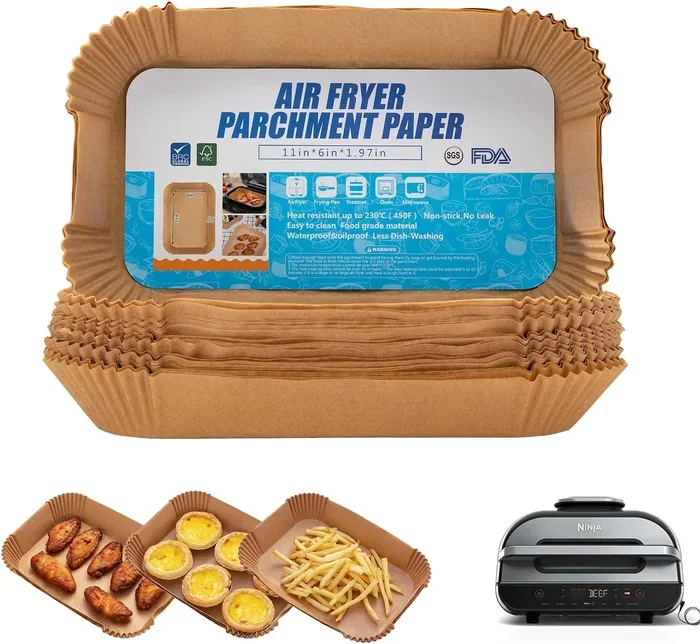
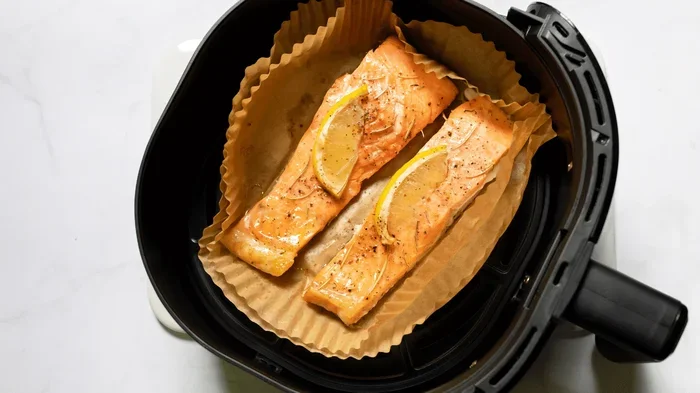
Parchment is non‑reactive, heat‑safe up to 450 °F, and lets air flow through tiny perforations. Many brands now sell pre‑cut rounds that fit popular air fryer models. It’s the go‑to for cookies, delicate fish, and any acidic dish.
Silicone Mats and Liners
Reusable silicone mats provide a non‑stick surface without any waste. They are dishwasher safe and can handle temperatures up to 500 °F. The downside is they can be pricey — typically $15‑$25 for a set.
Perforated Aluminum Trays
Some manufacturers sell metal trays with holes that mimic a grill grate. They give you the rigidity of foil with built‑in airflow. If you cook a lot of bacon or roasted vegetables, a tray can become a permanent accessory.
Common Myths Debunked
Myth: Foil Makes Food Crispier
Foil actually insulates the bottom of the food. The crispiness comes from hot air hitting the surface directly. If you want extra crunch, skip the foil and use a light spray of oil instead.
Myth: Any Foil Works
Thin “sandwich” foil tears easily and can create sharp shards that damage the non‑stick coating. Always opt for heavy‑duty or “air fryer safe” labeled foil.
Myth: You Can Line the Entire Basket
As mentioned, full coverage stops airflow. The only exception is a specially designed perforated foil liner that the manufacturer sells for that model.
Expert Tips for Better Results
Use a Light Oil Spray
Even with foil, a quick mist of avocado or canola oil on the food surface promotes browning. The oil also helps the foil release cleanly.
Double‑Layer for Extra Strength
If you are cooking something heavy like a whole chicken breast, place two sheets of foil crossed at 90 degrees. This distributes weight and prevents sagging.
Season the Foil
Sprinkle a pinch of salt, pepper, or smoked paprika on the foil before adding food. The seasoning infuses the bottom layer as the juices run down.
Keep a Foil Log
Write down which recipes worked with foil and which didn’t. Over time you’ll build a personal cheat sheet that saves trial‑and‑error time.
Cleaning and Maintenance After Foil Use
Inspect the Basket
After each foil session, check the basket for any foil fragments. Tiny shards can scratch the coating and eventually cause peeling.
Wipe the Heating Element
If any grease splattered onto the coil, let the unit cool, then wipe with a damp cloth. Never use abrasive pads.
Recycle Responsibly
Aluminum foil is recyclable in most curbside programs if it’s clean. Rinse off food residue before tossing it in the bin.
Conclusion
So, can you use foil in an air fryer? Absolutely — when you respect the airflow, keep foil away from the heating coil, and follow the simple steps outlined above. Foil can be a handy tool for easier cleanup, custom packets, and protecting delicate foods. Just remember the golden rule: never seal the basket completely. Pair foil with a light oil spray, monitor the first few minutes, and you’ll enjoy crispy, delicious results every time. Happy air frying!
Frequently Asked Questions
Can you put aluminum foil in an air fryer?
Yes, you can put aluminum foil in an air fryer as long as you do not cover the entire basket and keep the foil away from the heating element.
Is it safe to use foil in an air fryer?
It is safe when you use heavy‑duty foil, leave space for air circulation, and follow the manufacturer’s guidelines for your specific model.
Does foil affect air fryer performance?
Foil can block airflow if it covers too much surface, leading to uneven cooking or overheating. Partial lining or foil packets preserve performance.
Can you use foil for baking in an air fryer?
You can shape foil into a small pan for baking items like cakes or frittatas, but ensure the foil does not touch the heating coil.
What are the best alternatives to foil in an air fryer?
Parchment paper, silicone mats, and perforated metal trays are excellent foil‑free options that allow airflow and easy cleanup.
How do you prevent foil from blowing around in an air fryer?
Preheat the air fryer with the foil in place, tuck the edges under the basket rim, or weigh the foil down with a silicone mat.